Iraq is where civilisation began. The first cities, the first writing, the first laws — all of it started here, between the Tigris and the Euphrates. And yet almost nobody visits. In 2024, iraq tourism stood at fewer than 900,000 international arrivals — a country with more historical depth than Egypt and Greece combined.
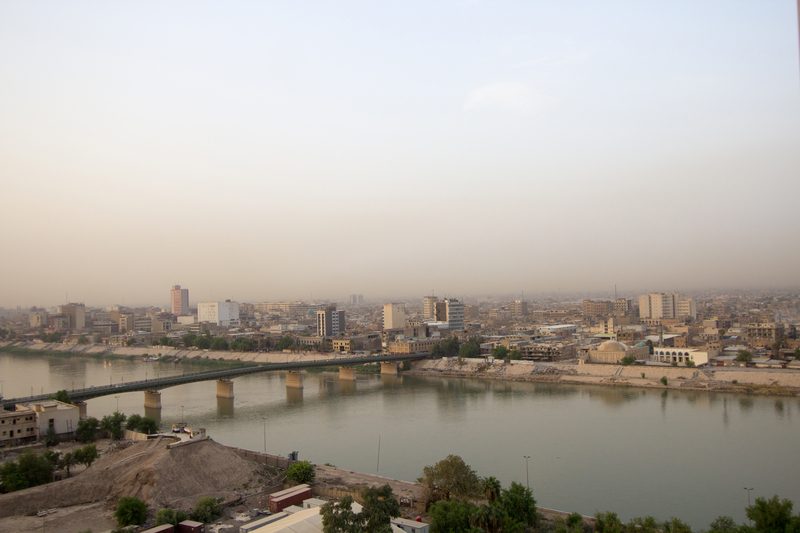
I was born near Babylon and I live in Baghdad. I’ve guided over 200 travellers through Iraq — from solo backpackers to retired couples to photographers chasing shots nobody else has. This Iraq travel guide covers everything you need for traveling in Iraq: visa, safety, costs, food, transport, itineraries, and the cultural details that make the difference between a good trip and an unforgettable one.
Whether you’re seriously planning or just curious, this is the most practical guide you’ll find — because it’s written by someone who actually lives here.
Why Visit Iraq?
Iraq sits on 5,000 years of unbroken human history. Babylon, Ur, Nineveh, the Hanging Gardens, the Mesopotamian Marshes — these aren’t just names from a textbook. They’re real places you can walk through, and most of them are nearly empty of tourists.
But the history is only half the reason to come. The other half is the people. Iraqis are among the most hospitable people I’ve encountered anywhere — and I say that as an Iraqi myself. Expect to be invited for tea within your first hour. Expect shopkeepers to refuse your money. Expect strangers to ask where you’re from and then insist on showing you around.
Iraq is also remarkably affordable. A full day’s eating — breakfast, lunch, dinner, and endless tea — can cost under $15. A private guided day trip starts from $120. Compare that to Jordan or Egypt, where similar experiences cost two to three times as much, and the value becomes obvious.
Baghdad was named Arab Tourism Capital for 2026 by the Arab Tourism Organization. In 2024, 892,000 international tourists visited Iraq. That number is growing fast, and the people who come now are seeing a country before the world catches on.
And then there’s the rarity factor. You’re not visiting a place that’s been polished for mass tourism. There are no tour buses at Babylon. No souvenir shops at Ur. You’re seeing a country in the earliest stages of opening up — raw, real, and completely unlike anywhere else.
Best Time to Visit Iraq
October to April is the ideal window. Temperatures are comfortable — 15-25°C in Baghdad during the cooler months, warmer in the south. Spring (March-April) and autumn (October-November) are the sweet spots: warm days, cool evenings, perfect for exploring outdoor sites.
Avoid June to August if you can. Southern Iraq regularly hits 50°C+, and even Baghdad is brutal. Kurdistan is more bearable in summer — 30-35°C in the mountains — but federal Iraq is genuinely punishing.
Ramadan dates shift each year. During Ramadan, restaurants close during daylight hours in most of Iraq (Kurdistan is more relaxed). It’s still possible to visit, but plan around it. Religious holidays like Arbaeen (usually in August/September) bring millions of pilgrims to Karbala — incredible to witness, but accommodation and transport get stretched.
I’ve written a full month-by-month breakdown in the best time to visit Iraq guide if you want to plan around specific conditions.
Iraq Visa — What You Need
Almost everyone needs a visa. Iraq suspended visa on arrival in March 2025, so you must apply online before you travel.
The federal eVisa through evisa.iq covers all of Iraq including Kurdistan. It costs 206,000 IQD (~$164 USD) plus a 5.5% international card fee. Processing takes 6-72 hours, but I recommend applying 1-2 weeks early. There’s a separate Kurdistan-only eVisa through visit.gov.krd that’s cheaper ($80) but only covers Erbil, Sulaymaniyah, and Duhok — it won’t get you into Baghdad or Babylon.
The full step-by-step walkthrough — including which visa type to select, the Kurdistan checkbox, and common mistakes that cause rejections — is in my Iraq visa guide.
Is Iraq Safe?
For the regions tourists visit — Baghdad, Babylon, Kurdistan, the southern marshes — yes, Iraq is safe. I live in Baghdad and eat dinner on the street at 10pm. My guests walk through markets, visit mosques, and drink tea with locals. The biggest risk is eating too much.
The US Level 4 advisory and UK FCDO warning are blanket ratings that don’t distinguish between a Baghdad restaurant district and a remote border zone. The same advisory covers Colombia and Ethiopia — both thriving tourist destinations.
There are areas I don’t go — western Anbar near the Syrian border, some remote border regions — but these are nowhere near the tourist trail. For the honest, region-by-region breakdown, read is Iraq safe to visit.
How to Get to Iraq
By Air
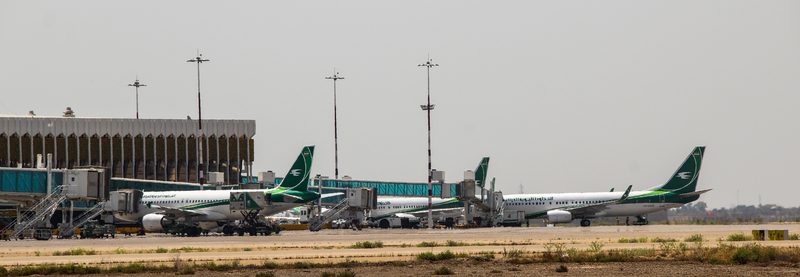
Iraq has five international airports. Baghdad (BGW) is the main hub and my recommended entry point — your federal eVisa gets processed here without any extra fees. Erbil (EBL) is the gateway to Kurdistan and well-connected to Istanbul, Dubai, and Amman. Sulaymaniyah (ISU) has fewer routes but is another Kurdistan option. Najaf (NJF) and Basra (BSR) serve southern Iraq, mainly used by pilgrims and regional travellers.
Best routes from Europe: Istanbul (Turkish Airlines, Pegasus) has the most frequent connections to Baghdad and Erbil. Amman (Royal Jordanian) is another good option. From the Gulf, Dubai and Doha both have direct flights.
From the Americas: No direct flights. Connect through Istanbul, Amman, or Doha. Istanbul is usually the best combination of price and schedule. Budget around $500-800 for a return ticket from Europe, more from North America depending on season and routing.
By Land
The most common land crossing for tourists is Ibrahim Khalil / Zakho from Turkey into Kurdistan. It’s well-established and straightforward — many travellers combine eastern Turkey with Kurdistan this way.
The Trebil crossing from Jordan is technically open but much less common for tourists and the road through western Anbar is long and empty. Borders with Iran and Kuwait exist but are rarely practical for tourism purposes.
Getting Around Iraq
Within Iraq, you have a few options depending on your budget and comfort level.
Private car with driver is how I operate and how most tourists travel federal Iraq. I drive you between cities, handle checkpoints, and know the roads. It’s the safest and most efficient option, especially when you factor in the language barrier and permit requirements.
Domestic flights connect Baghdad to Erbil, Sulaymaniyah, Basra, and Najaf. Iraqi Airways and Fly Baghdad are the main carriers. Flights are cheap ($50-100 one way) and save significant time — Baghdad to Erbil is 1 hour by air versus 5-6 hours by road.
Shared taxis run between major cities and are how ordinary Iraqis travel. They’re cheap but unpredictable — you wait until the car fills up, and there’s no schedule. Fine for Kurdistan, where you can also use ride-hailing apps like Careem, but challenging in federal Iraq without Arabic. There’s no Uber or equivalent in most of the country.
Trains exist between Baghdad and Basra, but service is infrequent and slow. I wouldn’t recommend them for tourists unless you specifically want the experience.
Key drive times from Baghdad: Babylon ~1.5 hours, Karbala ~1.5 hours, Samarra ~2 hours, Erbil ~5-6 hours, Basra ~5-6 hours.
Where to Stay
Baghdad
Baghdad has everything from simple guesthouses to international-standard hotels. I arrange accommodation for my guests at a guesthouse near the Tigris with river views — comfortable, clean, and well-located. Mid-range hotels run $80-140/night. The high-end options like the Babylon Rotana or Baghdad Hotel are $150-250+/night and offer full amenities including pools and restaurants.
Kurdistan
Erbil and Sulaymaniyah have the most developed hotel infrastructure in Iraq. You’ll find international chains, boutique hotels, and decent hostels. Booking.com works reliably here. Expect $30-60/night for a good mid-range hotel, less for hostels.
Southern Iraq
Accommodation in Nasiriyah, Basra, and around the marshes is basic but clean. Don’t expect luxury — this is frontier tourism. I arrange accommodation for guests in the south because the reliable options aren’t always on booking platforms. In the marshes, you can stay in a traditional mudhif (reed house) for a genuinely unique experience.
Accommodation Tips
Cash is preferred everywhere. Booking.com works in Kurdistan and some Baghdad hotels, but many places in federal Iraq only take direct bookings or walk-ins. If you’re travelling with me, I handle all accommodation arrangements — I know which places are reliable and which to avoid.
Money & Costs
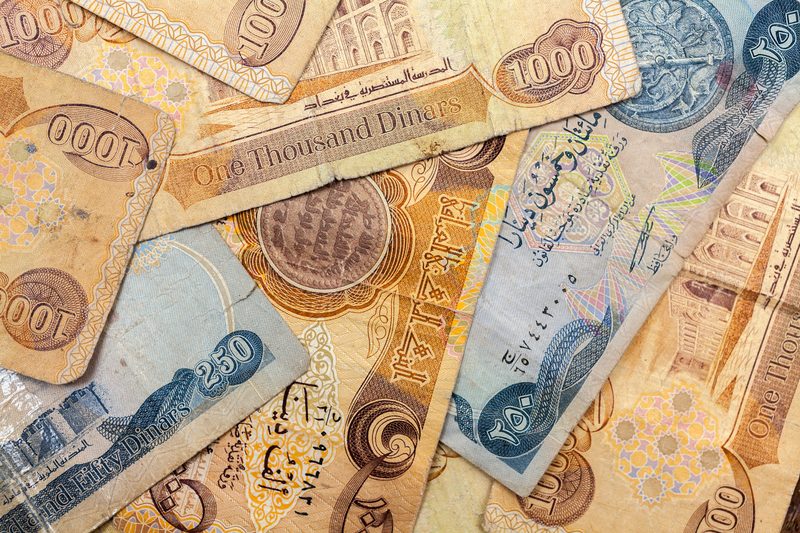
The currency is the Iraqi Dinar (IQD). As a rough reference, 1 USD = approximately 1,310 IQD (check current rates before you travel).
Cash is king. ATMs exist in Baghdad and Kurdistan but are unreliable — don’t depend on them. Bring USD or EUR in clean, undamaged bills and exchange locally. Money changers are everywhere and rates are fair. US dollars are widely accepted for larger transactions like hotels and tours.
Quick daily budget guide:
- Budget ($40-60/day) — Budget hotels in Kurdistan, street food, shared taxis, independent travel
- Mid-range ($80-130/day) — Mid-range hotels, restaurant meals, some guided activities
- Guided tour ($120-200/day) — Private guide, car, accommodation, meals, and entrance fees included
For a detailed cost breakdown with specific prices for food, transport, accommodation, and entrance fees, see the Iraq travel cost guide.
Iraqi Food & Drink
Iraqi food is one of the best parts of visiting, and most travellers don’t expect it.
Masgouf is the national dish — a whole carp butterflied and slow-grilled over wood fire, usually served riverside in Baghdad. It’s one of the best things I’ve eaten anywhere. Kebab in Iraq is different from what you’ll find in Turkey — heavier on spices, served with flatbread and grilled tomatoes. Dolma (stuffed grape leaves and vegetables), quzi (slow-roasted lamb over rice), and tashreeb (bread soaked in rich broth) are all essentials.
Street food in Baghdad is cheap and excellent. A full kebab meal is $2-3. Fresh juice from Abu Nawas street is under $1. And tea — chai — is a way of life. You’ll drink more tea in Iraq than you’ve ever drunk in your life.
Alcohol is available in Baghdad and Kurdistan. Beer and arak (anise spirit) are common. In the holy cities of Karbala and Najaf, alcohol is not sold or consumed.
I’ve written a full guide to Iraqi food with dishes to try, where to eat in each city, and how to navigate a restaurant menu.
What to Pack
The essentials: modest clothing that covers shoulders and knees (both genders), comfortable walking shoes, sunscreen, a hat, and a light scarf for women (required in some religious sites). Bring cash in clean USD bills. A portable battery pack is useful — power cuts happen in parts of southern Iraq.
Don’t overpack. Iraq is hot and you’ll want to wash clothes rather than carry a heavy bag. For the complete checklist, including what to bring for the marshes and the desert, see the Iraq packing list.
Cultural Tips & Etiquette
Dress modestly. This applies to both men and women. Long trousers, covered shoulders. Women should carry a headscarf — it’s not required everywhere but essential for mosque visits and the shrine cities of Karbala and Najaf, where a full abaya is required (available to borrow or buy cheaply at the entrance).
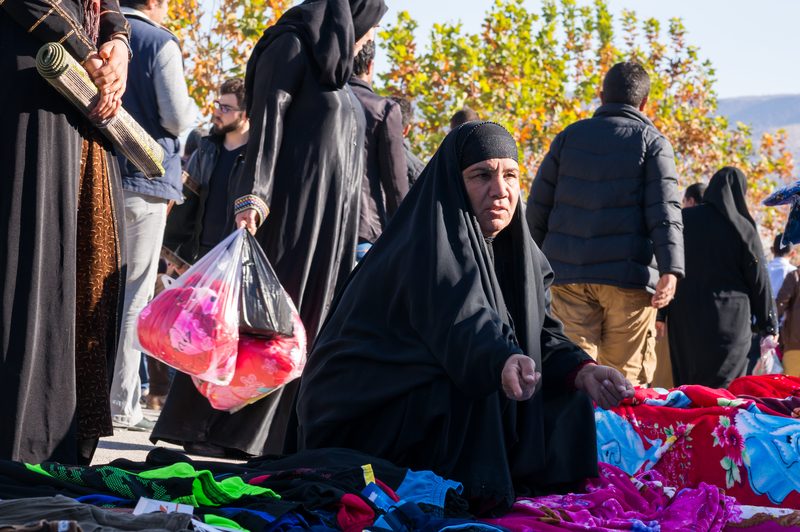
Photography. Always ask permission before photographing people, especially women. Never photograph military installations, checkpoints, or government buildings. Most Iraqis love being photographed and will enthusiastically pose — but ask first.
Mosque etiquette. Remove shoes before entering. Women must cover hair and wear loose clothing. In Shia shrines, non-Muslims may not be able to enter the inner sanctum but can visit the courtyards. I always accompany guests and handle the introductions.
Alcohol. Available in Baghdad, Kurdistan, and Christian-majority areas. Do not bring alcohol into Karbala or Najaf — it’s prohibited and disrespectful.
Tipping. Not expected but appreciated. 10% at restaurants is generous. Round up taxi fares. For guides and drivers, tipping is welcomed but never demanded.
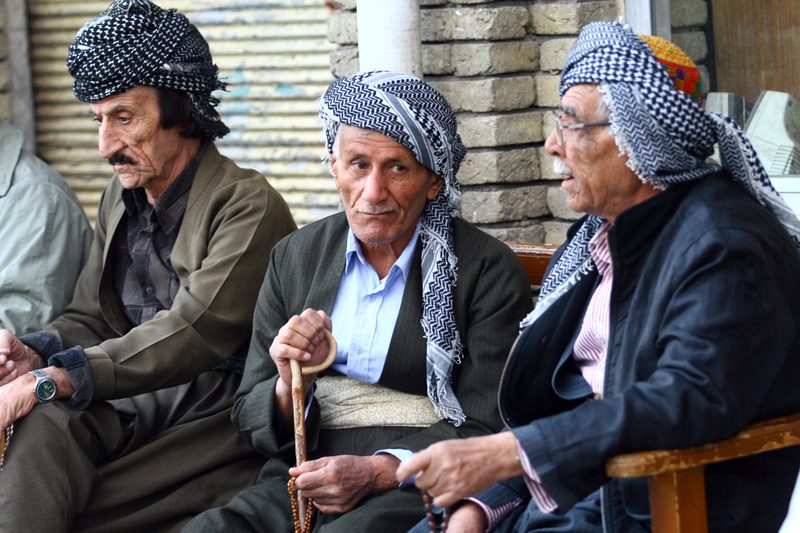
Hospitality. Iraqis will insist on paying for your tea, your meal, even your taxi. This is genuine and deeply rooted in the culture. Don’t be offended and don’t fight it too hard. Accept graciously, say “shukran” (thank you), and reciprocate where you can. Being someone’s guest is a serious honour in Iraqi culture. If you’re invited into someone’s home, removing your shoes at the door is expected and accepting at least a cup of tea is considered polite. Refusing hospitality can be seen as a slight, even if it’s well-intentioned.
Religion. Around 95–97% of Iraqis are Muslim — roughly 60–65% Shia, concentrated in Baghdad and the south, and 30–35% Sunni, more prevalent in the north and west. Kurdistan has a mixed population including Yazidis and some of the world’s oldest Christian communities. For travellers, the practical implication is modest dress in most areas, awareness of prayer times, and respect around religious sites.
Suggested Itineraries
These are based on the trips I actually run. Every itinerary is flexible — I build around your pace, interests, and time.
1 Day — Day Trip From Baghdad
If you have a single day, you have three great options: Babylon and Borsippa (the most popular — walk through the ruins of one of the ancient world’s greatest cities), Karbala and Najaf (shrine cities, stunning architecture, powerful atmosphere), or Ctesiphon (the massive Arch of Ctesiphon, 30 minutes from Baghdad). Day trips start from $120/person through my private tours.
3 Days — Baghdad Explorer
Three days is enough to properly experience Baghdad. The National Museum (one of the world’s great collections), Mutanabbi Book Street, Kadhimiya Mosque, the copper souk, Abu Nawas riverside, and the old city. Add a day trip to Babylon or Ctesiphon. This is what my Baghdad tour covers, and it’s a great introduction if it’s your first time in Iraq.
5 Days — Baghdad, Babylon & the Holy Cities
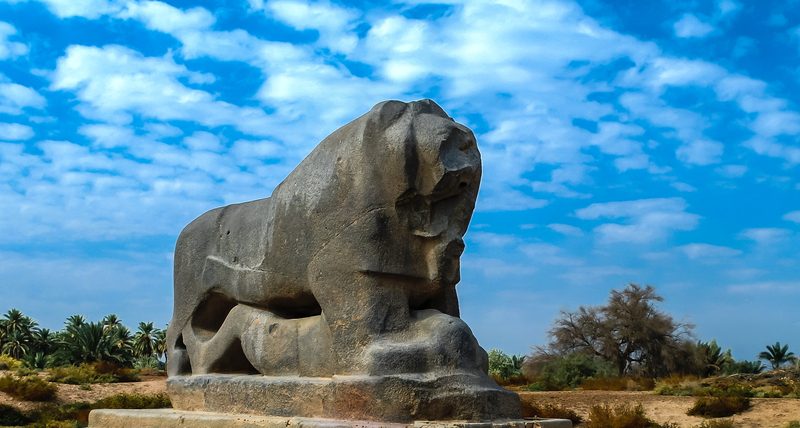
Two days in Baghdad, then south to Babylon, Karbala, and Najaf. This covers ancient Mesopotamian history and Iraq’s most important religious sites. You’ll see the Lion of Babylon, the Ishtar Gate replica, the shrines of Imam Hussein and Imam Ali, and the Borsippa ziggurat. The details are in my Babylon tour itinerary, and I can also include a visit to Babylon’s key sites with full historical context.
7 Days — Southern Iraq
Everything above plus Nasiriyah, the ancient city of Ur (birthplace of Abraham), and the Mesopotamian Marshes by boat. The south is where Iraq feels most different from anywhere else on Earth. The Marsh Arabs have lived among the reed houses and waterways for thousands of years, and visiting their mudhif guesthouses is one of the most memorable experiences Iraq offers. You’ll also see Ur’s ziggurat, one of the best-preserved structures from ancient Sumer. My southern Iraq tour covers this route.
10-12 Days — The Complete Iraq
The full experience: Baghdad, Babylon, Karbala, Najaf, the south, Samarra (the spiral minaret), Mosul (reconstruction and resilience), and Hatra (the Parthian fortress). This is the trip for people who want to see it all. You’ll witness the ongoing reconstruction in Mosul, stand inside the Parthian fortress at Hatra with almost no other visitors, and climb the spiral minaret at Samarra. Optionally add Kurdistan at the end for the mountains and a change of pace. My complete Iraq tour covers 10-12 days depending on your pace, and it’s the itinerary I recommend to anyone who has the time.
5-7 Days — Kurdistan Standalone
If you want to start easy or prefer mountains over desert, Kurdistan is a complete trip on its own. Erbil’s ancient citadel, Sulaymaniyah’s cafés and museums, Duhok’s green valleys, the mountain village of Amadiya perched on a plateau, and hiking in the Zagros foothills. Kurdistan is the easiest part of Iraq for independent travel, but a guide adds depth. My Kurdistan tour runs 5-7 days.
Not sure which Iraq tour is right for you?
Answer 5 quick questions and get a personalised recommendation matched to your interests, travel dates, and group size — in under a minute.
Guided vs Independent Travel
I’ll be straight with you: in federal Iraq, a guide makes your trip dramatically better. And I’m not saying that just because I am one.
Checkpoints are in Arabic. Signs are in Arabic. Most people outside Kurdistan don’t speak English. Some areas require travel permits. Hotels in the south often can’t be booked online. Without someone who knows the system, you’ll spend half your trip figuring out logistics instead of enjoying the country.
A local guide also opens doors. When I take guests through a market, shopkeepers invite us in for tea. When we arrive at a checkpoint, soldiers wave us through faster because they know me. When we visit a mosque, the caretaker gives us a private tour. These things don’t happen when you show up alone with a phrasebook.
Kurdistan is different. Erbil and Sulaymaniyah have English signage, hostels, Uber-style apps, and a relaxed security environment. Independent travel is entirely feasible here. Many travellers explore Kurdistan solo and then hire a guide for federal Iraq.
If you want flexibility and local knowledge combined, a private tour gives you both. Every itinerary is custom — your pace, your interests, no fixed group schedule.
Ready to plan your Iraq trip?
Tell me your dates, group size, and interests — I’ll suggest the best itinerary and give you an honest quote. No obligation.
Useful Arabic Phrases
You don’t need to speak Arabic to visit Iraq — especially with a guide. But a few phrases go a long way. Iraqis light up when a foreigner tries, even badly.
| English | Arabic (Iraqi dialect) | Pronunciation |
|---|---|---|
| Hello | مرحبا | mar-HA-ba |
| Peace be upon you | السلام عليكم | as-sa-LA-mu a-LAY-kum |
| Thank you | شكراً | SHUK-ran |
| Yes / No | إي / لا | ee / la |
| How much? | شكد؟ | sh-GAD? |
| Beautiful | حلو | HE-lu |
| Delicious | لذيذ | la-ZEEZ |
| My name is… | اسمي… | IS-mi… |
| Where is…? | وين…؟ | wein…? |
| Water | ماي | MAI |
| No problem | ما كو مشكلة | MA-ku MUSH-ki-la |
| God willing | إن شاء الله | in-SHA-la |
The single most useful phrase: “Shukran” (thank you). You’ll use it fifty times a day. The phrase that will make everyone smile: “Helu” (beautiful) — say it about the food, the city, the mosque, anything. Iraqis love hearing it.
For more on things to do in Baghdad specifically, I’ve written a dedicated guide covering the best sites, restaurants, and experiences in the capital.
This guide is your starting point. Each section links to a deeper article where I cover the topic in full. If you want everything in one place, explore my Iraq tour options — every itinerary is built around the places and experiences covered here.