I have been guiding tourists around Iraq for years, and by now I can predict what people will wish they had packed — and what they will wish they had left at home. Most travellers overthink it. Iraq is not as complicated as you might expect, but there are a few things that genuinely matter and a few mistakes I see again and again.
This is the packing list I send to my own guests before every trip. It covers clothing, documents, electronics, and the handful of items you should absolutely not bring. If you are joining one of my tours, I will send you a personalised version based on your dates and itinerary. For the full picture of what to expect, start with my Iraq travel guide.
Clothing
For Men
Keep it simple. Long lightweight trousers are the standard — not shorts, at least in federal Iraq. Shorts are fine inside your hotel, but on the street and especially at religious sites, long trousers are expected. T-shirts and polo shirts are perfectly fine. You do not need to dress formally, but you should avoid anything with offensive graphics or slogans. Comfortable walking shoes are essential — you will be on your feet at archaeological sites, through bazaars, and across uneven ground. Sandals are fine for casual moments, but bring proper closed shoes for days with a lot of walking.
For Women
Modesty matters in federal Iraq, but it does not mean you need to cover head to toe everywhere you go. Loose trousers or long skirts that cover the knees are the standard. Tops should cover the shoulders — short sleeves are fine, but avoid anything sleeveless or low-cut. A headscarf is essential for visiting mosques and shrines, particularly in cities like Karbala and Najaf. Pack a lightweight one you can fold into your bag and pull out when needed.
For Karbala and Najaf specifically, women are expected to wear an abaya (a loose, full-length black outer garment). If you do not own one, do not worry — I can source one for you locally before we arrive. It is inexpensive and easy to arrange.
For Kurdistan
The Kurdistan Region is noticeably more relaxed. Shorts are acceptable for men in cities like Erbil and Sulaymaniyah. Women can dress more casually as well, though modest clothing is still respectful, especially outside the city centres. If your trip includes both federal Iraq and Kurdistan, pack for the stricter dress code and you will be fine everywhere.
Season-Specific Clothing
Iraq has extreme seasons, and what you pack will depend heavily on when you travel. For a detailed breakdown, see my guide on the best time to visit Iraq.
In winter (roughly November to March), temperatures can drop significantly, especially in the evenings and in Kurdistan’s mountainous areas. A light jacket and layers are essential — mornings at archaeological sites in the southern desert can be surprisingly cold. In summer (June to September), the heat is intense, regularly exceeding 45°C in Baghdad and the south. Lightweight, breathable fabrics are non-negotiable. Linen and moisture-wicking materials are your best options. Cotton works but dries slowly if you sweat through it, which you will.
Documents & Money
Your passport must have at least six months of validity remaining from your date of entry. Print your eVisa confirmation — do not rely on having it only on your phone. Phone batteries die, screens crack, and border officials sometimes prefer paper. Carry a photocopy of your passport separately from the original, and keep a digital copy in your email or cloud storage as a backup.
Bring your travel insurance documents as well.
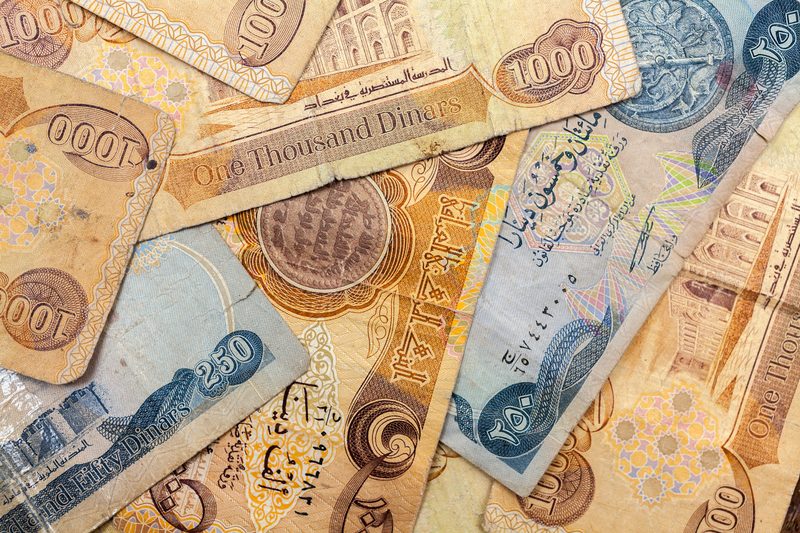
For money, bring US dollars in clean, undamaged notes — preferably $100 bills dated 2013 or later, as older or marked bills are sometimes refused by money changers. You will exchange dollars for Iraqi dinars (IQD) once you arrive. ATMs exist in major cities but are unreliable, and credit cards are accepted only in a few upscale hotels. Plan to operate primarily on cash.
Electronics & Gear
Your phone is your most important piece of gear. I arrange a local Iraqi SIM card for all my guests — mobile data is cheap, coverage is reasonable in cities, and having a local number makes communication much easier. Make sure your phone is unlocked before you arrive.
Iraq uses Type C and Type G power sockets (the European two-pin and British three-pin), with a standard voltage of 230V at 50Hz. Many hotels and guesthouses have a mix of socket types, and some have universal outlets. A universal travel adapter is the safest bet — bring one that handles both Type C and Type G.
A portable power bank is highly recommended. Power cuts are common across Iraq, even in cities, and you do not want to be caught with a dead phone at the end of a long day. A 10,000–20,000 mAh bank will keep you covered.
If you are a photographer, bring whatever camera you normally travel with. There are no restrictions on standard cameras. Just remember — never photograph military installations, checkpoints, or personnel. This applies everywhere in Iraq without exception.
Health & Comfort
Sunscreen is not optional. SPF 50+ is the minimum, and you should reapply frequently, especially in summer. The sun in southern Iraq is relentless. A wide-brimmed hat and quality sunglasses are equally important — you will be spending a lot of time outdoors at open archaeological sites with no shade.
Bring any prescription medication you need, along with a basic first-aid kit: plasters, paracetamol or ibuprofen, anti-diarrhoeal tablets, and rehydration sachets. Pharmacies exist in Iraqi cities and are generally well stocked, but having your essentials on hand saves time and uncertainty.
Hand sanitiser and wet wipes earn their place in your day bag. They are useful after street food, at rest stops, and at sites where facilities may be limited. A small microfibre towel is another lightweight addition that proves useful more often than you would expect.
What NOT to Bring
There are a few items you should leave at home entirely.
Drones. Drones are effectively banned for tourists in Iraq. If you attempt to bring one in, it will almost certainly be confiscated at customs. Do not risk it.
Alcohol. Alcohol is legally available in parts of Iraq, but carrying it through checkpoints — and there are many — is a bad idea. Soldiers and police can react unpredictably, and it creates unnecessary complications. If you want a drink, I can point you to the right places once you are there.
Evidence of travel to Israel. Iraq does not admit travellers with Israeli passport stamps or evidence of entry to Israel in their passport. Since Israel no longer stamps passports by default (issuing a separate card instead), this is less of an issue than it used to be — but if your passport contains older Israeli stamps or certain Jordanian and Egyptian border crossing stamps that indicate travel to Israel, you could be denied entry. If in doubt, travel on a clean passport.
Expensive jewellery or flashy accessories. Iraq is generally safe for tourists, but there is no reason to attract unnecessary attention. Leave the expensive watch and jewellery at home. Travel modestly and you will have a smoother experience.
Excessive luggage. You will be getting in and out of vehicles, navigating hotel stairs, and moving between cities. One medium suitcase or backpack and a day bag is the ideal setup. Keep it light.
What I Provide on Tour
If you are travelling with me, you do not need to worry about several things that would otherwise be on your list. I provide bottled water throughout every tour — you will never need to buy your own. I also provide snacks for long drives, assist with getting your Iraqi SIM card set up, and can source abayas for women before we reach Karbala or Najaf. If there is anything specific you need, just ask — I have been doing this long enough to have a solution for most things.
Not sure what you need? Book a tour and I will send you a personalised packing list for your dates.
Every trip is different. I tailor the advice to your season, itinerary, and travel style — so you arrive prepared and travel light.
Frequently Asked Questions
What should I wear in Iraq?
Long lightweight trousers and tops that cover the shoulders are the standard for both men and women in federal Iraq. Women should also carry a headscarf for mosques and shrines. Kurdistan is more relaxed — shorts are fine in Erbil and Sulaymaniyah.
Can I use credit cards in Iraq?
Very rarely. A handful of upscale hotels accept cards, but Iraq is overwhelmingly a cash economy. Bring US dollars and exchange them for Iraqi dinars on arrival.
Do I need a power adapter for Iraq?
Yes. Iraq uses Type C and Type G sockets at 230V. A universal travel adapter that covers both plug types is recommended.
Can I bring a drone to Iraq?
No. Drones are effectively banned for tourists and will be confiscated at customs. Leave yours at home.
Is it safe to carry a camera in Iraq?
Yes, standard cameras are fine. Photograph freely at tourist sites and in cities, but never point a camera at military checkpoints, bases, or security personnel.