The short answer: October to April is the best time to visit Iraq. The weather is comfortable, every site is accessible, and you won’t be battling 50°C (122°F) heat at Babylon.
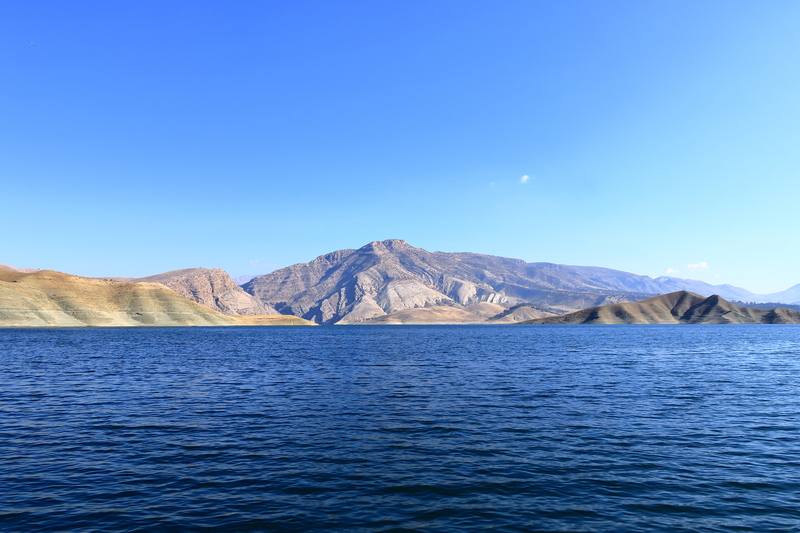
But the best time really depends on what you want to see. Kurdistan’s mountains are best in spring when the valleys are green and waterfalls are flowing. The Mesopotamian Marshes are fullest in March and April. Baghdad is at its most pleasant in November. And if you’re interested in the Arbaeen pilgrimage — the largest annual gathering on Earth — that has its own calendar entirely.
This is the month-by-month breakdown I give to everyone who asks me when to come. For the full picture on planning your trip, my complete Iraq travel guide covers visas, safety, costs, and itineraries.
Iraq’s Climate at a Glance
Iraq has two distinct climate zones. Central and southern Iraq — Baghdad, Babylon, Karbala, Basra, the marshes — is desert climate. Summers are extreme (regularly 45–50°C / 113–122°F), winters are mild and cool (5–19°C / 41–66°F), and rain is rare outside of December to February.
Kurdistan in the north is mountain climate. Summers in the mountains are warm but bearable (25–35°C / 77–95°F), though lowland cities like Erbil still reach the 40s °C (104°F+). Winters bring genuine cold and snow at higher elevations, and spring turns the valleys vivid green. This difference matters: when southern Iraq is too hot to enjoy, Kurdistan is at its best.
The other factor is the religious calendar. Ramadan and Arbaeen shift dates every year and both significantly affect the travel experience — not negatively, but in ways you should plan around.
Month-by-Month Breakdown
| Month | Baghdad Temp | Rating | Notes |
|---|---|---|---|
| January | 5–16°C / 41–61°F | ★★★★ | Cool, occasional rain. Great for ruins. |
| February | 7–19°C / 45–66°F | ★★★★ | Excellent. Check Ramadan dates. |
| March | 11–24°C / 52–75°F | ★★★★★ | Best month. Nowruz in Kurdistan. |
| April | 17–31°C / 63–88°F | ★★★★★ | Perfect. Wildflowers in Kurdistan. |
| May | 22–37°C / 72–99°F | ★★★ | Getting hot. Still manageable. |
| June | 26–42°C / 79–108°F | ★★ | Very hot. Not recommended for south. |
| July | 28–44°C / 82–111°F | ★ | Extreme heat. Kurdistan only. |
| August | 27–44°C / 81–111°F | ★ | Extreme heat. Arbaeen pilgrimage. |
| September | 23–40°C / 73–104°F | ★★ | Still very hot. Season not yet started. |
| October | 18–33°C / 64–91°F | ★★★★ | Heat breaking. Season begins. |
| November | 11–24°C / 52–75°F | ★★★★★ | Excellent. Peak tourism month. |
| December | 7–18°C / 45–64°F | ★★★★ | Cool, short days. Quiet and pleasant. |
Spring (March – May) — The Sweet Spot
March and April are my favourite months to guide. Temperatures in Baghdad hover around 15–28°C (59–82°F) — warm enough for shirtsleeves, cool enough to spend full days outdoors at Babylon, Ur, and the marshes without wilting. The light is beautiful for photography, especially at dawn and late afternoon.
In Kurdistan, spring is spectacular. The Zagros foothills turn green, waterfalls are at full flow from snowmelt, and the valleys between Duhok and Amadiya are carpeted with wildflowers. If you’re combining a Kurdistan tour with federal Iraq, March–April is the window where both regions are at their best.
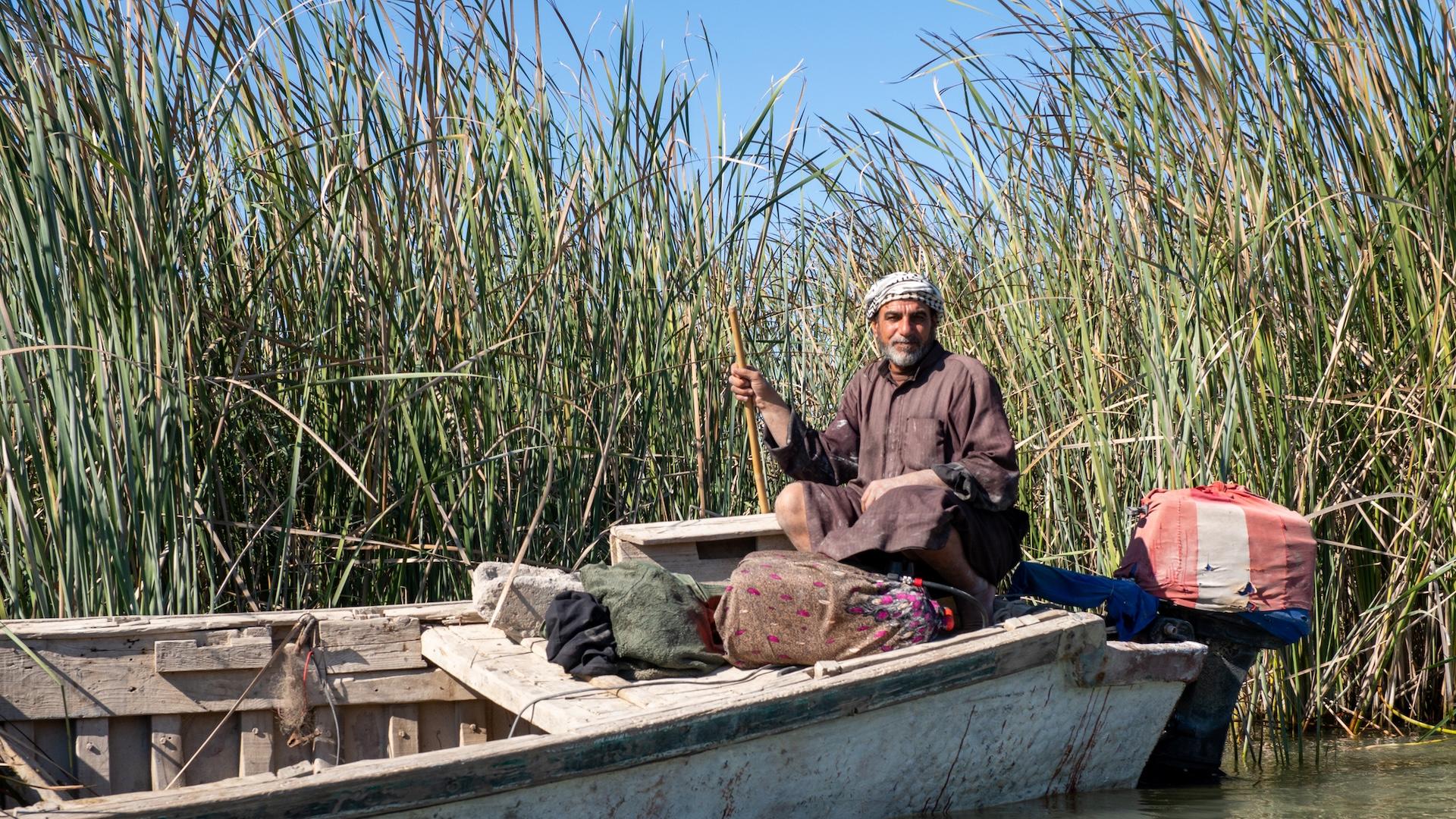
The Mesopotamian Marshes are also at their fullest in spring — the water levels peak from seasonal rains and snowmelt from the north, making boat trips more expansive and the reed landscapes more dramatic.
May is transitional. Baghdad starts hitting 35°C+ (95°F+) and the heat is noticeable, but mornings and evenings are still pleasant. By late May, I start shifting itineraries to avoid midday outdoor time in the south.
Autumn (October – November) — Peak Season
October is when the heat finally breaks. By mid-October, Baghdad is back in the high 20s to low 30s, and by November it’s genuinely comfortable — 15–24°C (59–75°F) with clear skies and mild evenings. This is peak season for Iraq tourism, and for good reason.
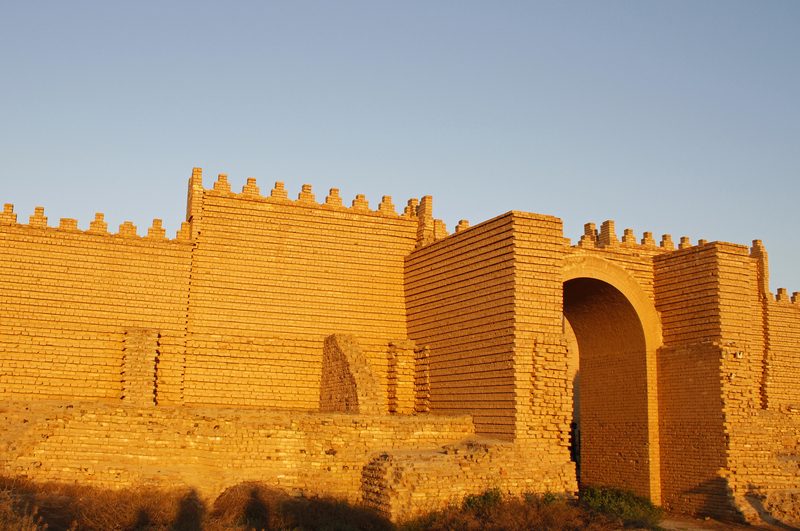
November is the single best month if you’re visiting federal Iraq. Every site is accessible, the weather is ideal for full-day excursions, and the light gives Babylon and the marshes a golden quality that photographs beautifully. If you can only come once, come in November.
The downside of peak season is that guides and accommodation book up. I typically start filling November slots 2-3 months in advance. October is slightly quieter and almost as good weather-wise.
Winter (December – February) — Cool and Quiet
Iraqi winters are mild by European or North American standards — Baghdad sits around 5–19°C (41–66°F), roughly equivalent to a warm autumn day in London or New York. You’ll want a jacket for mornings and evenings, but daytime is comfortable for sightseeing.
Rain is possible, especially December and January, but it’s sporadic rather than sustained. The upside of winter is that you’ll have most sites to yourself. Babylon in January is almost eerily quiet — just you, the ruins, and the flat Mesopotamian sky.

Kurdistan in winter is cold. Erbil drops to near freezing, and the mountains get genuine snowfall. Korek Mountain near Shaqlawa has a ski resort that opens when conditions allow. It’s a completely different experience from the rest of Iraq, and worth considering if you enjoy the novelty of skiing in the Middle East.
Summer (June – September) — Kurdistan Only
I’ll be straight with you: don’t visit southern or central Iraq in summer unless you have a specific reason. Baghdad at 44°C (111°F) is not a pleasant sightseeing experience. Babylon with no shade at midday in July is genuinely dangerous without proper preparation. Even Iraqis avoid outdoor activity during peak afternoon hours in summer.
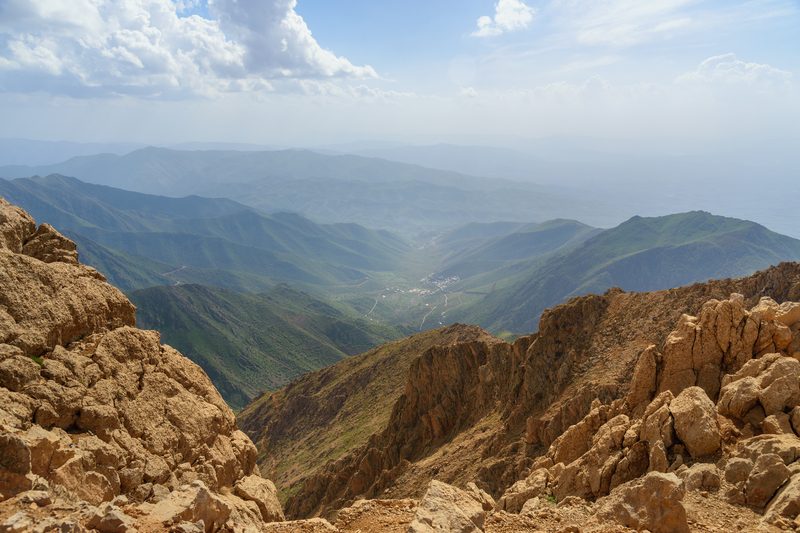
Kurdistan’s mountains are the exception. Erbil itself still hits the low 40s (around 108°F) in July and August — it’s not the escape. But head into the highlands around Duhok, Shaqlawa, or Rawanduz and temperatures drop to 25–35°C (77–95°F). Many Iraqi families from the south holiday in Kurdistan’s mountain towns during July and August specifically to escape the heat. If your schedule only allows summer travel, focus on Kurdistan’s highlands and skip the cities and the south.
Kurdistan — Different Climate, Different Season
Kurdistan operates on almost the opposite seasonal calendar to the rest of Iraq. Its best months are May through October — the period when southern Iraq is at its hottest. This makes Kurdistan an excellent standalone trip for travellers who can only come in late spring or summer.
The mountain areas around Duhok, Amadiya, and Rawanduz stay comfortable into June. Even in July, the higher valleys offer temperatures 15–20°C (27–36°F) cooler than Baghdad. Waterfalls, gorges, and hiking trails are all accessible from late spring through early autumn.
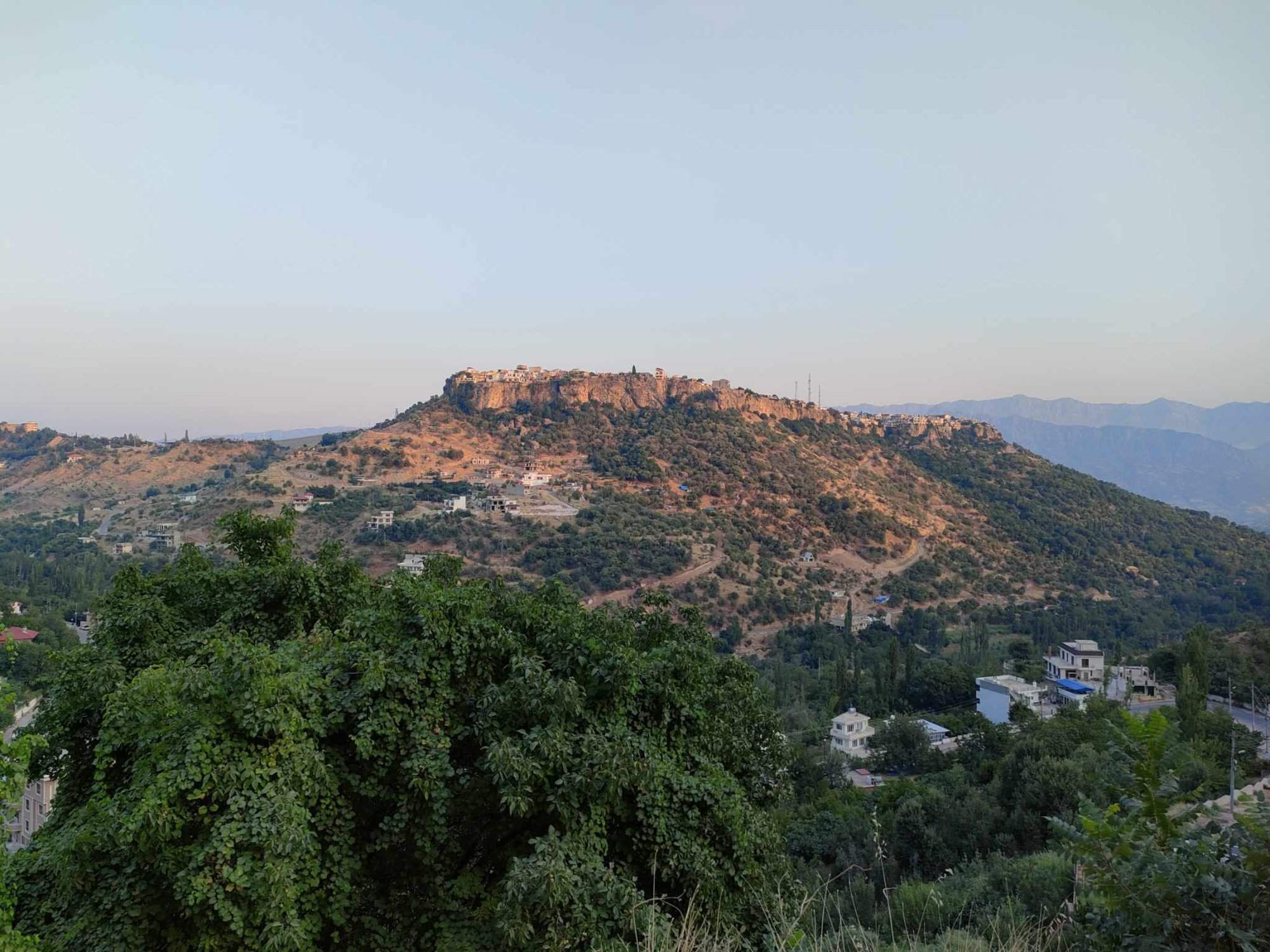
Winter in Kurdistan brings a different appeal — snow-dusted citadels in Erbil, quiet bazaars, and the possibility of skiing at Korek Mountain. But shorter days and cold temperatures (near freezing in Erbil, below freezing in the mountains) mean less time for outdoor exploring.
Religious Calendar & Events
Ramadan
Ramadan falls approximately 11 days earlier each year. In 2026, it’s expected around late February to late March. In 2027, it shifts earlier again.
During Ramadan, most restaurants in federal Iraq close during daylight hours. Eating in public during fasting hours is considered disrespectful, so plan accordingly — hotel restaurants and room service still operate, and your guide will handle meals. Kurdistan is more relaxed, with many restaurants staying open.
The upside: iftar (the evening meal breaking the fast) is a beautiful experience. Streets come alive at sunset, families gather, and the food is exceptional. If you visit during Ramadan, the evenings are some of the most atmospheric moments you’ll experience in Iraq. It’s not a reason to avoid coming — just something to plan around.
Arbaeen Pilgrimage
Arbaeen commemorates the 40th day after the martyrdom of Imam Hussein and draws an estimated 20-25 million pilgrims to Karbala — making it the largest annual human gathering on Earth. Pilgrims walk from across Iraq (many from Baghdad and Najaf) in a procession that takes several days.
Unless you specifically want to witness Arbaeen — which is an extraordinary cultural experience in its own right — I recommend avoiding Karbala during this period. Accommodation is nonexistent, roads are closed, and the city is overwhelmed. The date shifts yearly: in 2026, Arbaeen falls around late August.
Nowruz (Kurdish New Year)
March 20-21 marks Nowruz, the Kurdish and Persian New Year. In Kurdistan, this means bonfires, fireworks, music, and celebrations that fill the streets of Erbil and Sulaymaniyah. It’s a fantastic time to be in Kurdistan — the energy is infectious and locals love sharing the festivities with visitors.
Nowruz coincides perfectly with the start of prime travel season, making a late March trip an ideal time to combine Kurdistan celebrations with the best weather in federal Iraq.
When Does Ali Recommend?
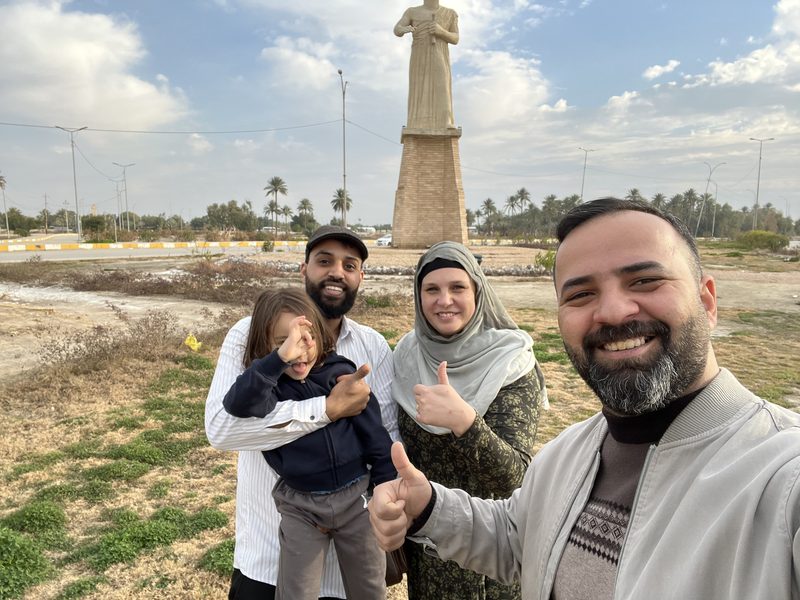
If I had to pick one month: November. Perfect weather across all of Iraq, everything is open, ruins and marshes are beautiful in the autumn light, and crowds are manageable. It’s the month where I know every day trip will be comfortable and every site will be at its best.
For Kurdistan specifically: May or early June. The valleys are green, waterfalls are at full force from snowmelt, temperatures are warm without being hot, and Nowruz energy is still lingering. It’s Kurdistan at its most alive.
For budget travellers: January or February. Flights are cheaper, guides have more availability, and the weather is cool but perfectly fine for sightseeing. You’ll have most sites to yourself.
Peak season (October–April) books fast.
Tell me your dates and group size and I’ll confirm availability. I typically fill November and March 2-3 months in advance.
Frequently Asked Questions
Can you visit Iraq in summer?
You can, but I’d only recommend it for Kurdistan. Southern and central Iraq regularly exceeds 45°C (113°F) from June through September, and outdoor sightseeing is genuinely unpleasant and potentially dangerous in that heat. Kurdistan’s mountain areas stay in the 25–35°C (77–95°F) range and are comfortable for travel, though Erbil and other lowland cities are nearly as hot as Baghdad. If summer is your only option, plan a Kurdistan-focused trip and save Baghdad, Babylon, and the south for a cooler visit.
What should I pack for Iraqi weather?
It depends entirely on when you visit. For the peak season (October–April), layers are key — warm days, cool evenings, and cold mornings in winter. Sunscreen and a hat year-round. Modest clothing that covers shoulders and knees at all times. In summer, the lightest breathable fabrics you own. I’ve written a complete Iraq packing list with specifics for every season.
When is Ramadan in 2026 and 2027?
Ramadan 2026 is expected around 18 February – 19 March. Ramadan 2027 is expected around 8 February – 9 March. These dates are approximate and depend on moon sighting. Ramadan shifts about 11 days earlier each year. It’s absolutely still possible to visit Iraq during Ramadan — the experience is different but not diminished, especially in the evenings.
Ready to start planning? Browse my Iraq tour options or read the full Iraq travel guide for everything else you need to know.