Iraq is one of the most affordable travel destinations in the Middle East — but only if you know where the money actually goes. The visa alone costs more than most people’s first three days of food. A shared taxi across the entire country is $25. And the gap between booking through an international tour operator versus a local guide can mean paying double for the same experience.
I’ve been guiding tourists through Iraq for years, and I hear the same question on almost every enquiry: how much will this actually cost? This is the honest answer — every category, real prices, no rounding down to make Iraq look cheaper than it is. If you’re still early in the planning stage, my Iraq travel guide covers the full picture from visas to itineraries.
Daily Budget Overview
Here’s what a day in Iraq actually costs across three travel styles. These assume you’re spending most of your time in Baghdad and the south — Kurdistan is generally a bit cheaper for accommodation and food.
| Category | Budget ($40–60/day) | Mid-Range ($80–130/day) | Guided Tour ($120–200/day) |
|---|---|---|---|
| Accommodation | $15–30 hostel/basic | $40–60 decent hotel | Included |
| Food | $1–10 street food | $15–25 restaurants | Included |
| Transport | $5–10 shared taxi | $15–25 private taxi | Included |
| Activities | $10–20 | $15–25 | Included |
| Guide | None | Optional | Included |
The budget tier is realistic if you’re experienced with independent travel in the Middle East, comfortable navigating shared taxis and basic guesthouses, and don’t mind eating street food for most meals. Below $40 a day is possible but tight — you’d need to be very careful with entrance fees and transport.
The mid-range tier is where most independent travellers land. A clean hotel with air conditioning, a mix of restaurant meals and street food, and occasional taxi rides across town.
The guided tour tier covers everything except your visa and international flights. That’s what I offer — and it’s where the value comparison with international operators gets interesting. More on that below.
Cost Breakdown by Category
Accommodation
Baghdad is the most expensive city for hotels. At the bottom end, basic guesthouses and hostels run $15–30 a night — functional but don’t expect much beyond a bed and a fan. A decent budget hotel with air conditioning and a private bathroom is $40–60. Mid-range hotels with reliable wifi, breakfast, and a central location sit at $80–140. High-end hotels like the Palestine or Cristal Grand start at $150–250+.

Erbil is similar at the budget end ($20–40) but offers better value in the mid-range ($50–100). The Rotana and Divan are well-known upmarket options.
The south — Basra, Nasiriyah, Najaf — has fewer options overall. Budget hotels range from $15–40, and choices thin out quickly above that outside of Basra.
When you travel with me, accommodation is included in the tour price. I use hotels I’ve personally vetted — clean, safe, well-located, and typically in the mid-range bracket.
Food & Drink
Food in Iraq is excellent and cheap. This is genuinely one of the most affordable eating countries I know.
A falafel wrap or a plate of beans from a street vendor costs $1–2. A kebab lunch with rice and salad is $3–6. A sit-down restaurant meal — grilled meats, multiple sides, bread, drinks — rarely exceeds $10–15 per person. The famous masgouf (open-fire grilled carp, Iraq’s national dish) runs $5–8 at riverside street stalls and $10–20 at a proper restaurant.

Tea is everywhere and costs $0.50–1 per glass. Bottled water is $0.25–0.50. A cappuccino at a decent café in Baghdad or Erbil is around $2.50. Shisha at a café ranges from $1.50 at a local spot to $20 at an upscale lounge.
For the full picture on what to eat and where, I’m working on a detailed Iraqi food guide.
Transport
Shared taxis are how most people — locals and travellers — move between cities. Baghdad to Erbil costs around 30,000–35,000 IQD ($23–27) per person. Baghdad to Karbala or Najaf is cheaper. These leave when full from city garages (bus stations) and are the most practical option for budget travellers.
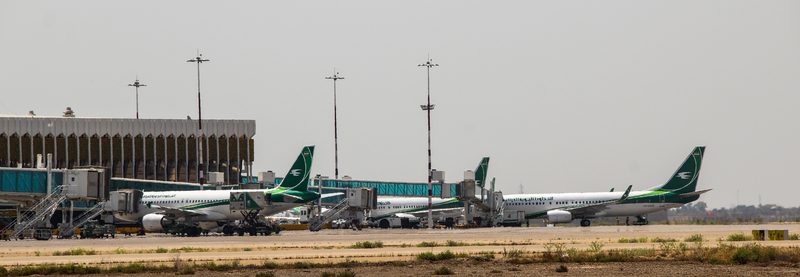
Domestic flights exist — Iraqi Airways operates Baghdad–Erbil (about 1 hour, 18 flights per week) — but they’re hard to book on international platforms. Expect $100–150+ one-way if you can find availability. Most travellers use shared taxis instead.
Within cities, a taxi or Careem ride costs $2–10 depending on distance. Short hops in Baghdad are typically $2–5.
Private car with driver — the way I operate all tours — costs $100–250 per day depending on distance, vehicle type, and whether you’re doing long cross-country drives. Nobody serious offers this below $100/day.
Entrance Fees & Activities
Most major archaeological sites in federal Iraq charge foreign visitors a standard fee of 25,000 IQD (~$19). This applies to Babylon, Ur, Samarra, and most other federal heritage sites. It’s not cheap compared to neighbouring countries, but it’s consistent — you won’t get price surprises.
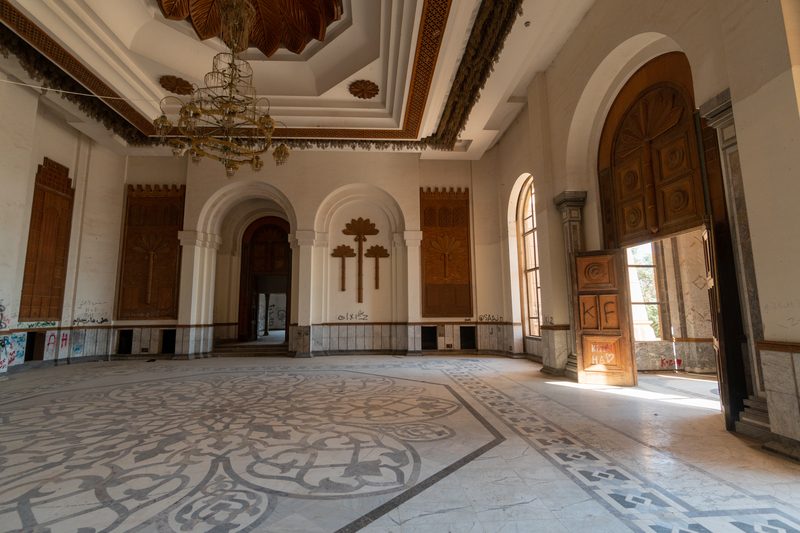
Some sites have additional small fees. At Babylon, for example, visiting Saddam’s former palace nearby adds 1,500 IQD — and a small bribe of around $10 to the guard is the unwritten reality for accessing it.
In Kurdistan, the picture is different. Most natural attractions — waterfalls, gorges, scenic overlooks — are free or charge a token 1,000–5,000 IQD ($1–4). The Erbil Citadel is free to walk around.
Visa Costs
The federal eVisa costs 206,000 IQD all-in — approximately $160 USD — plus a 5.5% international card processing fee. This covers your entire stay including Kurdistan.
If you’re only visiting Kurdistan, the Kurdistan eVisa from visit.gov.krd costs $75 USD.
The visa is often the single biggest upfront expense. I’ve written a full step-by-step in the Iraq visa guide including which visa type to choose and how to avoid common mistakes.
How Much Does a Guided Tour of Iraq Cost?
This is where the range gets wide — and where doing your research matters most.
International tour operators typically charge $250–370 per day. A 7-day trip through one of the well-known group tour companies runs $2,200–2,600 or more. That includes accommodation, transport, a guide, most meals, and entrance fees — but you’re in a group, on a fixed schedule, and a significant chunk of what you pay goes to overhead and middlemen who’ve never set foot in Iraq.

My pricing starts from $120/day for day trips out of Baghdad and from $400 total for multi-day tours. What’s included: accommodation, all transport (private car and driver), my guiding, entrance fees, and meals. What’s not included: your visa, international flights, and personal spending.
The difference isn’t that I cut corners. It’s that there’s no chain of intermediaries between you and me. No London office, no sales team, no agency commission. You message me, I plan your trip, I guide you myself. That’s why the same quality of experience costs less.
Want an exact quote?
Tell me your dates, group size, and what you want to see — I’ll price it out within 24 hours. No obligation, no hidden fees.
Why Are Some Operators So Expensive?
It’s not necessarily because the experience is better. International operators have fixed costs — offices, marketing budgets, staff salaries, insurance overheads, partner commissions — that all get baked into your per-day rate. They also typically subcontract the actual guiding to a local guide (sometimes me, sometimes others), adding another layer.
That doesn’t make them bad. Some operators run excellent trips. But if you’re comparing prices and wondering why there’s a $100–200/day gap, that’s usually the answer: structure, not quality.
Money Tips for Iraq
Currency & Exchange
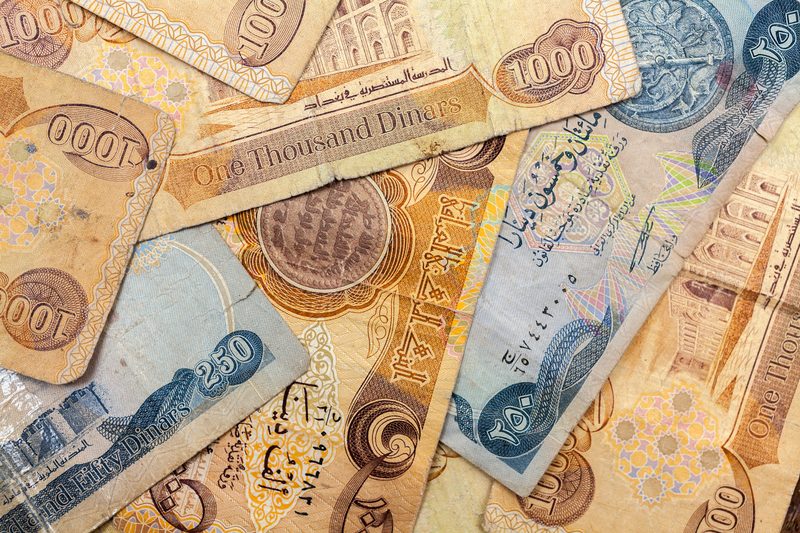
Iraq uses the Iraqi Dinar (IQD). The current rate is approximately 1,300 IQD to 1 USD. US dollars are widely accepted for hotels, tours, and larger purchases — but you’ll need Dinar for street food, taxis, and small shops.
Exchange at money changers in Baghdad (Shorja market area has competitive rates) or Erbil. Airport rates are acceptable for a first exchange. Don’t bother exchanging at home — most banks outside the Middle East don’t carry Dinar.
Cash vs Cards
Cash is king. Iraq is overwhelmingly a cash economy. Credit cards work at a handful of high-end hotels in Baghdad and Erbil and almost nowhere else. ATMs exist in both cities but are unreliable — sometimes empty, sometimes offline, and many don’t accept international cards.
Bring enough USD cash for your entire trip. I tell all my guests: bring what you think you’ll need, plus 20% buffer. Exchange to Dinar in smaller batches as you go.
Tipping
Tipping isn’t expected in Iraq but is always appreciated. At restaurants, rounding up the bill or leaving 10% is generous. For guides, $5–10 per day is a kind gesture. For drivers on longer trips, $5 per day is typical. Nobody will be offended if you don’t tip — but the people working in Iraq’s tourism sector earn modest wages, and small tips go a long way.
Sample Trip Budgets
5-Day Budget Trip (~$400–500 total)
Baghdad and a day trip to Babylon. Staying in basic hotels ($25–35/night), eating street food and local restaurants ($8–12/day), shared taxis and Careem around the city ($5–10/day), entrance fees for 3–4 sites ($60–80 total). Add your visa ($160) and you’re looking at roughly $400–500 total excluding international flights.
7-Day Mid-Range Trip (~$900–1,200 total)
Baghdad, Babylon, Karbala, Najaf, and possibly the marshes or Erbil. Comfortable hotels ($50–80/night), mix of restaurants and street food ($15–20/day), combination of shared and private taxis ($15–25/day), all major entrance fees. Plus visa. Total around $900–1,200.
10-Day Guided Tour With Ali (~$1,200–2,000 total)
The full experience — Baghdad, Babylon, Karbala, Najaf, the marshes, Ur, and Kurdistan. Accommodation, transport, guiding, entrance fees, and meals all included. Your main additional costs are the visa ($160) and international flights. The exact price depends on your group size, specific itinerary, and time of year — message me for a quote.
Frequently Asked Questions
Is Iraq cheaper than Iran, Jordan, or Turkey?
Iraq is cheaper than Jordan and comparable to Iran for day-to-day expenses. Street food and transport are very affordable. Hotels are slightly more expensive than Iran but cheaper than Jordan’s tourist areas. Turkey is generally cheaper for accommodation but prices have been climbing. The biggest cost difference is the visa — Iraq’s $160 eVisa is significantly more than Iran’s visa on arrival or Turkey’s free entry for many nationalities.
Can I use credit cards in Iraq?
Barely. A few high-end hotels in Baghdad and Erbil accept Visa and Mastercard, but everywhere else is cash only. Don’t plan a trip to Iraq assuming card access. Bring enough USD cash for the full trip and exchange to Dinar locally.
How much cash should I bring?
For a budget trip, bring $500–700 in USD (on top of any prepaid tour costs). For mid-range independent travel, $1,000–1,500. If you’re on a guided tour where most costs are covered, $200–400 for personal spending, souvenirs, and extras is usually enough. Always bring a buffer — running out of cash in a country without reliable ATMs is a problem you don’t want.
Are there hidden costs on guided tours?
With reputable operators, no. With me, everything quoted is everything included — no surprise fees at the end. The only extras are things I make clear upfront: visa, international flights, personal shopping, and any optional activities you decide to add during the trip. Before booking, always ask any operator exactly what’s included and get it in writing.
Ready to plan your trip? Browse my Iraq tour options or read the complete Iraq travel guide for everything else you need to know.