Baghdad surprises everyone. People arrive expecting tension and leave talking about the food, the warmth, and the fact that they walked through a 700-year-old book market drinking tea with strangers. I live here. I eat here, shop here, take my guests through its back streets and riverfront — and even after all these years, this city still has corners that catch me off guard.
These aren’t things to do in Baghdad copied from a guidebook. They’re a local’s picks — the places I actually take people, the spots where I know the owners by name, and the experiences that make guests message me months later saying Baghdad was the highlight of their trip.
1. National Museum of Iraq

The National Museum houses one of the world’s greatest collections of Mesopotamian artefacts — Sumerian statues, Assyrian reliefs, Babylonian jewellery, and pieces from civilisations most people have never heard of. The collection spans over 5,000 years of human history, and much of it was recovered after the infamous 2003 looting.
Important: the museum is currently closed to visitors. It has gone through periodic closures and reopenings over the years, and there’s no confirmed date for when it will reopen next. I keep this at number one because when it does reopen, it should be your first stop — I’ll update this section as soon as access is restored. In the meantime, the exterior and surrounding old city area are still worth exploring on foot.
2. Al-Mutanabbi Street — The Book Market
Every Friday, Al-Mutanabbi Street transforms into Baghdad’s legendary book market. Named after the 10th-century poet, this street has been the intellectual heart of the city for over 700 years. Booksellers line both sides — stacks of Arabic literature, poetry, history, secondhand novels, and sometimes rare manuscripts.
It was devastated by a car bomb in 2007 and rebuilt with fierce determination. Walking it today feels like an act of cultural defiance. The crowds are thick on Fridays — families, students, professors, poets. It’s loud, lively, and deeply Baghdad. Even if you can’t read Arabic, the atmosphere alone is worth the visit. I always bring guests here and then walk them to Shahbandar Café at the end of the street.
3. Shahbandar Café
At the end of Mutanabbi Street sits Shahbandar — Baghdad’s most famous café, open since 1917. The walls are covered in old photographs of Baghdad, the chairs are worn, and the tea comes in small glass cups the way it should.
The owner, Hajji Mohammed, lost five sons in a car bombing in 2007. He rebuilt the café and kept it open. Talking to him — if he’s there when you visit — is one of those moments that stays with you. This isn’t a tourist attraction. It’s a living piece of Baghdad’s soul. Order chai and just sit for a while.
4. The Copper Bazaar (Souk al-Safafeer)
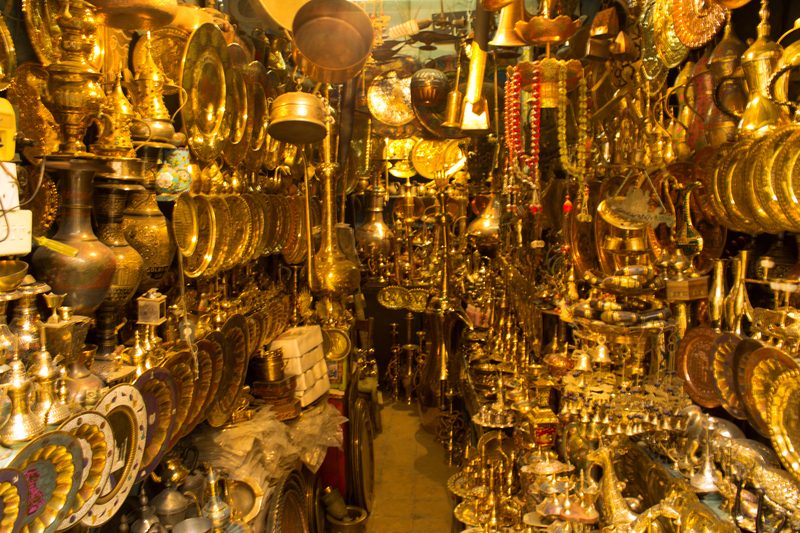
Follow the sound of hammering and you’ll find the copper souk — one of Baghdad’s oldest markets, where artisans still shape copper pots, trays, and coffee sets by hand. This is a tradition that’s disappearing, and the craftsmen who remain know it.
When I bring guests here, the shopkeepers usually stop work, invite us for tea, and demonstrate their craft. You can buy handmade copper pieces for a fraction of what they’d cost anywhere else in the Middle East. A beautiful hand-hammered coffee pot runs about $10-20. It’s the most authentic souvenir you’ll find in Iraq.
5. Al-Mustansiriya School
Built in 1227, Al-Mustansiriya is one of the oldest universities in the world — older than most European universities. The building itself is a masterpiece of Abbasid architecture: intricate brickwork, arched iwans, and a central courtyard that’s been standing for nearly 800 years.
It’s right in the old city, a short walk from Mutanabbi Street. Most visitors walk past it without knowing what it is because there’s minimal signage. With a guide, you get the context — this was once the intellectual centre of the Islamic world, teaching law, mathematics, literature, and theology.
6. Ctesiphon Arch (Taq Kasra)
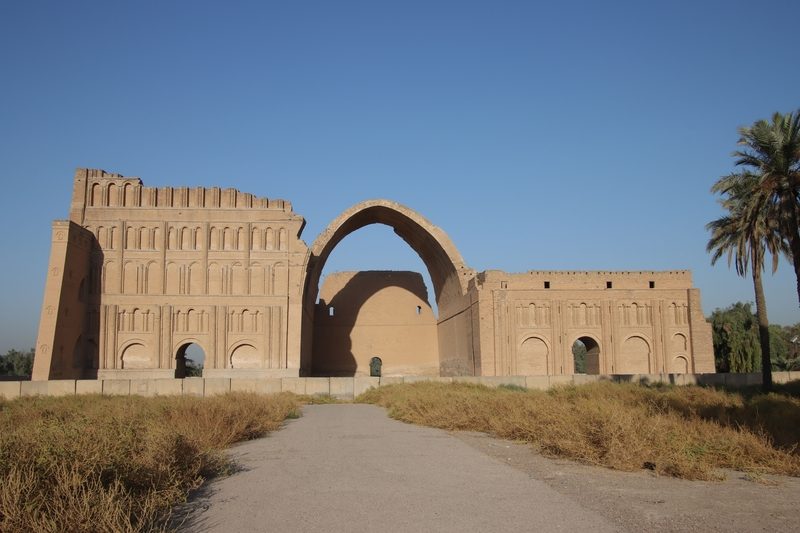
Technically 30 minutes outside Baghdad, but close enough to include — and too extraordinary to skip. The Arch of Ctesiphon is the largest single-span brick arch in the world, standing since the 3rd century AD. It was the throne room of the Sasanian Persian empire, and the sheer scale of it when you arrive is staggering.
There’s almost never anyone else there. You park, walk through a gate, and suddenly you’re standing under a 37-metre-high vault that’s been holding itself up for 1,700 years. No crowds, no gift shop, no entry queue. Just you and one of the most impressive structures of the ancient world. I always include this on my Baghdad itineraries because it’s the kind of place that makes people put their phone down and just stare.
7. Baghdad Street Food Tour
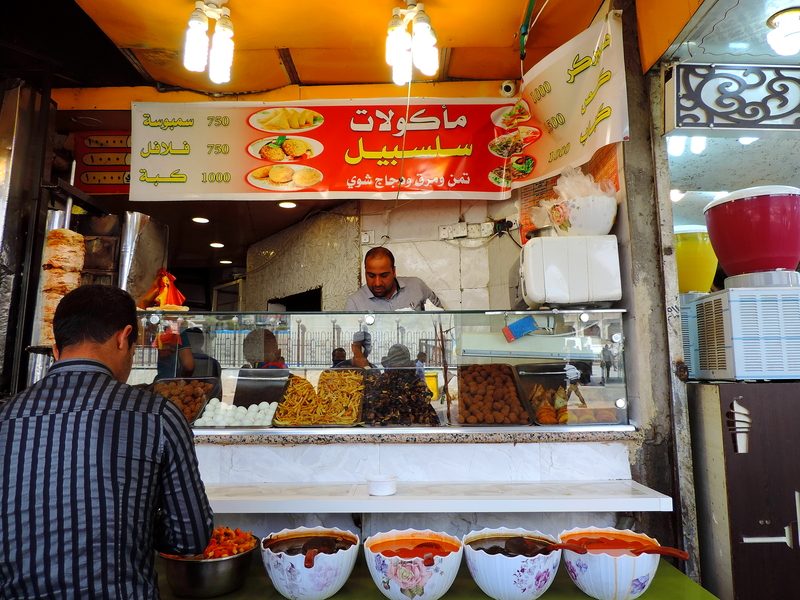
Baghdad’s street food is cheap, excellent, and best experienced with someone who knows where to go. Here’s my usual route with guests.
Masgouf on Abu Nuwas — the riverside strip where whole carp is butterflied and grilled over wood fires. You pick your fish, watch it cook, and eat it on the riverbank. $5-8 for a whole fish. Kebab near Shorja market — a no-name stall near the old wholesale market that does the best tikka kebab I know. $2-3 for a full plate. Falafel in Karada — Karada district has a cluster of falafel shops that have been there for decades. $1 gets you a sandwich stuffed so full it barely holds together.
I always tell guests: the restaurants without English menus are usually the best ones. And don’t worry — I’ll order for you. For a deeper dive, I’m writing a full Iraqi food guide covering dishes across the country.
8. Tigris Riverside at Sunset
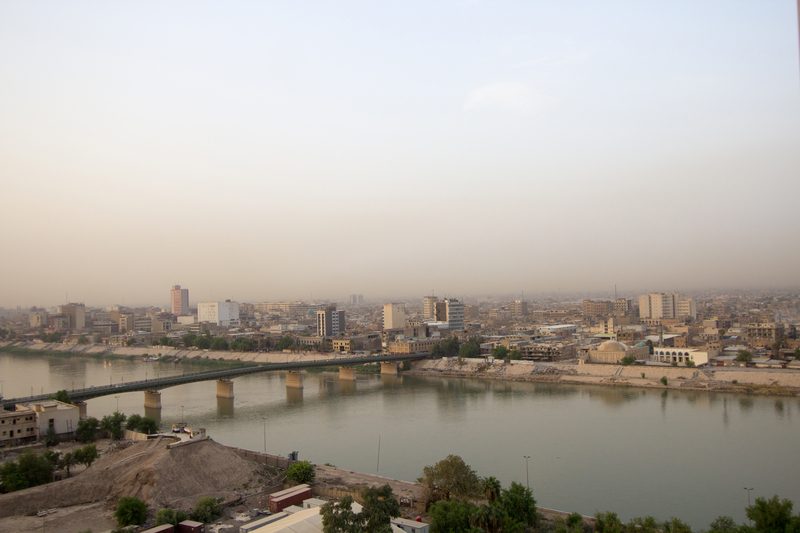
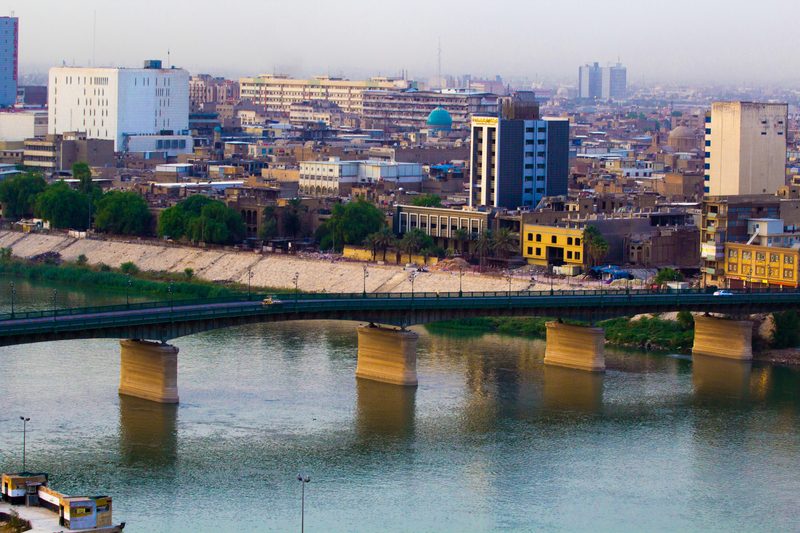
Baghdad is a river city, and the best way to feel it is from the Tigris at sunset. The light turns the water gold, the minarets catch the last sun, and the whole city softens. Abu Nuwas Street on the east bank is the most accessible spot — families stroll, tea vendors work the pavement, and the smell of grilling fish drifts from the masgouf restaurants.
For a quieter view, the Jadriya area south of the university has stretches of riverbank where you can sit without the crowds. I sometimes take guests on a small boat across the river in the evening — it costs almost nothing and gives you a perspective of Baghdad you can’t get from the street.
9. Al-Kadhimiya Shrine
The golden-domed Kadhimiya Mosque in northern Baghdad is one of the holiest sites in Shia Islam. Even if you’re not Muslim, the exterior is breathtaking — the gold dome and minarets against Baghdad’s dusty skyline is one of the most iconic images of the city.
Non-Muslims can visit the outer courtyard area and sometimes the mosque surroundings, depending on the day. The neighbourhood around Kadhimiya is lively and welcoming — markets, tea houses, and some of the best street food in Baghdad. I always accompany guests here and handle the introductions. Dress modestly and women should wear a headscarf.
10. Firdos Square
You’ve seen this square on television — it’s where Saddam Hussein’s statue was pulled down in April 2003, broadcast live around the world. Today it’s a traffic roundabout with a modern sculpture where the statue once stood. It doesn’t look like much, but standing there and knowing what happened on that spot gives it weight.
I always stop here briefly on driving tours — it takes five minutes but it connects guests to a moment in history they remember watching. The Palestine Hotel, where foreign journalists were based during the invasion, overlooks the square.
11. Victory Arch (Crossed Swords)
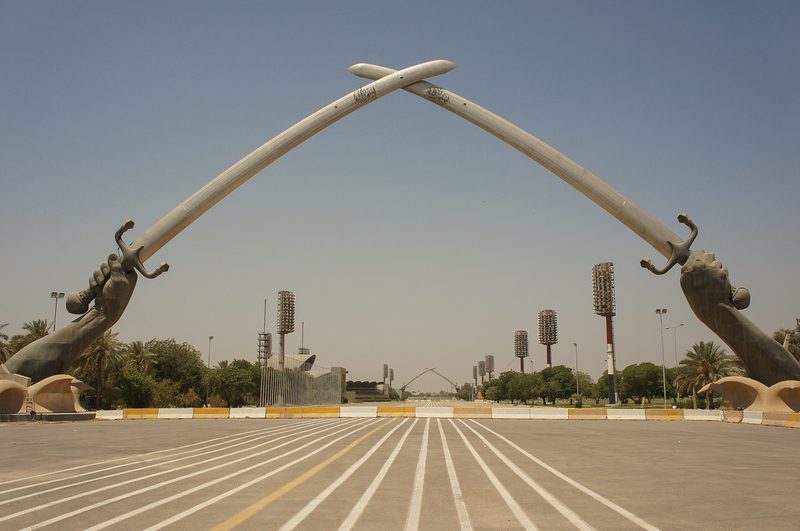
Two giant hands gripping crossed swords, arching over a parade ground — this is one of the most recognisable images of Baghdad. The Hands of Victory monument was built in 1989 to mark the claimed victory in the Iran-Iraq War. The hands were reportedly modelled on Saddam Hussein’s own, and the helmets scattered at the base are real Iranian helmets taken from the battlefield.
It’s triumphalist, unsettling, and impossible to look away from. The monument sits in the former parade grounds in the Green Zone area. After 2003, there were plans to demolish it, but it was ultimately preserved as a piece of history. Whatever you think of the politics behind it, it’s one of the most powerful pieces of public sculpture you’ll see anywhere — and a reminder that Baghdad’s history didn’t stop 2,600 years ago.
12. Abu Nuwas Street
I’ve mentioned Abu Nuwas a few times already because it’s central to Baghdad life. This riverside promenade along the Tigris is where Baghdadis come to eat, walk, and socialise — especially in the evening. It’s named after an 8th-century poet famous for his wine poetry (which tells you something about Baghdad’s long relationship with pleasure).
The masgouf restaurants here are the most famous in Iraq. The evening atmosphere — families, smoke from the grills, tea vendors, fishermen on the river — is Baghdad at its most relaxed and enjoyable. This is where I take guests on their first evening in the city. It sets the tone for everything that follows.
13. Martyr’s Monument (Al-Shaheed)
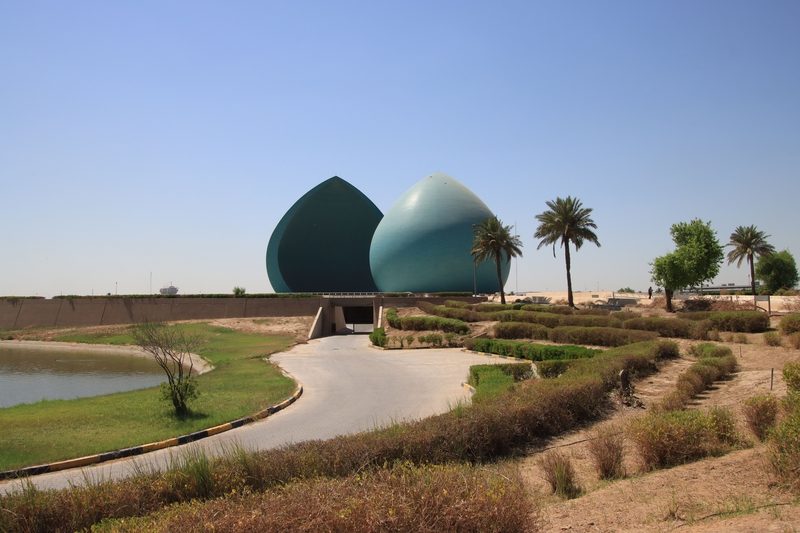
This striking split-dome monument was built in 1983 to honour Iraqi soldiers killed in the Iran-Iraq War. The architecture is dramatic — a turquoise dome split in half, rising from an artificial lake. Beneath it, a museum tells the story of the war and its human cost.
It’s beautiful and heavy at the same time. The design is by the Iraqi architect Ismail Fatah Al Turk, and it’s considered one of the most important pieces of modern architecture in the Middle East. Few tourists make it here, which means you’ll likely have the site to yourself.
14. Iraqi Tea Culture
This isn’t a place — it’s a practice, and it’ll define your entire trip. Chai in Iraq is black tea brewed strong and sweet, served in small glass cups called istikan. You’ll drink it everywhere: at checkpoints, in shops, at someone’s home, after meals, before meals, and in between.
Accepting tea is how conversations start. Refusing it is almost rude. By the end of your trip, you’ll be drinking 8-10 cups a day and wondering how you ever tolerated teabags. The best tea I’ve had in Baghdad is at the old tea houses in the Rasheed Street area — they brew it on charcoal stoves and serve it with a cube of sugar on the side.
15. Day Trip to Babylon
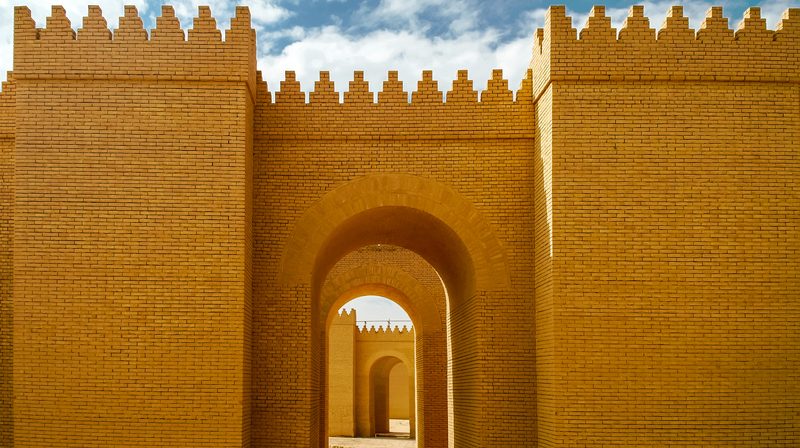
Babylon is 1.5 hours south of Baghdad and makes for one of the best day trips in the country. Walk through the ruins of Nebuchadnezzar’s city, see the Lion of Babylon, visit Saddam’s abandoned palace overlooking the site, and drive 20 minutes further to the Borsippa ziggurat — the structure many scholars believe inspired the Tower of Babel legend.
I run this as a Babylon day trip from Baghdad starting at $120/person, including transport, guiding, entrance fees, and Borsippa. It combines perfectly with 2-3 days in Baghdad for a well-rounded trip.
See all 15 in 3 days
I’ve built a Baghdad city tour that covers the best of this list — museum, markets, food, riverside, and a Babylon day trip. I handle everything so you just show up and enjoy it.
How Many Days Do You Need in Baghdad?
Two to three days covers the highlights comfortably. Day one for the museum, old city, Mutanabbi, and Shahbandar. Day two for Kadhimiya, the copper souk, Abu Nuwas, and street food. Day three for a Babylon or Ctesiphon day trip. If you have a fourth day, use it to slow down — revisit a favourite spot, have a long masgouf lunch by the river, or explore a neighbourhood without an agenda.
My 3-day Baghdad tour follows roughly this structure, but I adjust it based on your interests, pace, and what day of the week you arrive (Friday for Mutanabbi, for example).
Where to Stay in Baghdad
I arrange accommodation for my guests at a guesthouse near the Tigris with river views — comfortable, clean, and well-located for the sites we visit. If you prefer to book independently, here’s the range.
Budget ($40-60/night) — basic 3-star hotels in the Karrada area. Clean rooms, air conditioning, breakfast usually included. Functional but don’t expect international standards.
Mid-range ($80-140/night) — the Cristal Grand Ishtar, Rimal Hotel, and similar 4-star properties offer reliable rooms with good Wi-Fi, restaurants, and proper service. This is the sweet spot for most travellers.
High-end ($150-250+/night) — the Babylon Rotana, Baghdad Hotel, and newer 5-star properties. Full amenities, pools, business centres, and the level of comfort you’d expect at that price point.
Cash is preferred at most properties. Booking.com works for some Baghdad hotels, but availability is limited compared to Kurdistan. If you’re travelling with me, accommodation is sorted before you arrive.
Is Baghdad Safe for Tourists?
Yes. I live here and I take my guests through the same streets I walk every day. The tourist areas — the museum, Kadhimiya, the old city, Abu Nuwas — are well-patrolled and full of ordinary Baghdadis going about their lives. Traffic is the biggest nuisance, not security.
For the full picture — including how checkpoints work, what to expect, and how I keep guests safe — read my detailed is Baghdad safe for tourists breakdown.
Getting Around Baghdad

I drive all my guests personally. Baghdad traffic can be chaotic and signage is in Arabic, so having someone who knows the city makes a real difference. We move between sites by car and walk through markets, the old city, and riverside areas on foot.
If you’re exploring independently, the Careem ride-hailing app works in Baghdad and is reliable. Regular taxis are cheap but negotiate the fare first — there are no meters. Walking is fine in central areas during the day, especially the Karrada, Mutanabbi, and Abu Nuwas districts.
For more on planning your full Iraq trip beyond Baghdad, the Iraq travel guide covers visas, safety, costs, and itineraries for every region of the country.