Some of my best guests have been solo women. That might surprise people who assume Iraq is no place for a woman travelling on her own, but the reality on the ground is very different from what the headlines suggest. I have guided dozens of solo female travellers through Baghdad, Babylon, the holy cities of the south, and across Kurdistan — and the feedback I hear most often is not about danger or difficulty. It is about how welcomed they felt.
That said, solo female travel in Iraq does come with things you need to know. The experience is different from travelling as a man, and it varies significantly between regions. This guide covers what to expect, what to wear, how to stay comfortable, and what I do as a guide to make sure my female guests have the best possible trip. If you are still weighing up whether Iraq is safe in general, start with my complete safety guide.
Can Women Travel Solo in Iraq?
The short answer is yes — but with an important distinction between federal Iraq and the Kurdistan Region.
In federal Iraq (Baghdad, Basra, Karbala, Najaf, Nasiriyah, and the archaeological sites of the south), travelling with a guide is strongly recommended for everyone, and especially for solo women. It is not that the streets are dangerous — most areas tourists visit are safe. But having a local guide eliminates the practical challenges that can make solo travel stressful: navigating checkpoints, communicating in Arabic, understanding local customs at religious sites, and simply knowing which areas to visit and which to skip. With a guide, you move through the country smoothly and without the friction that solo navigation can create.
Kurdistan is a different story. The Kurdistan Region — Erbil, Sulaymaniyah, Duhok — is significantly more relaxed and more accustomed to independent travellers, including solo women. Many women visit Kurdistan independently, stay in hostels and guesthouses, and move around freely. The dress code is less conservative, English is more widely spoken, and the general atmosphere is more familiar to Western travellers. That said, even in Kurdistan, a guide adds real value if you want to reach places beyond the main cities.
I have guided solo female travellers from across the world — Europe, North America, East Asia, Australia, Latin America. The vast majority tell me they felt safer than they expected, and many come back for a second trip. Iraq’s reputation is far worse than its reality, especially when you travel with someone who knows the country.
What Women Who Have Visited Actually Say
Sarah, who visited from the UK:
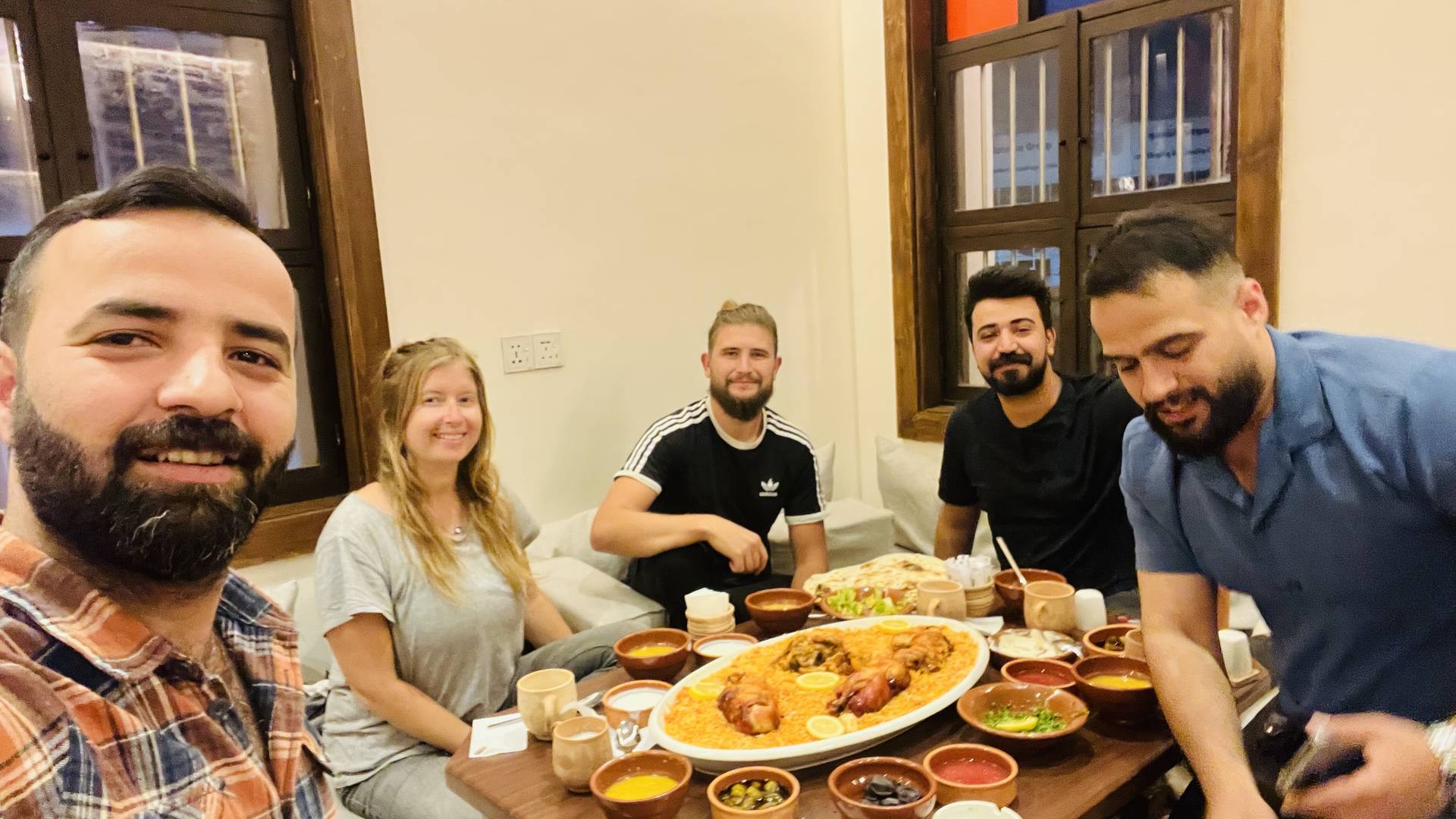
“I was nervous about visiting Iraq but Ali put me at ease from the moment he picked me up at the airport. The Ctesiphon Arch blew my mind, and the masgouf by the river was the best meal of the whole trip. Highly recommend for anyone curious about Baghdad.”
Sarah came to Iraq solo and was honest about her nerves before the trip. By the second day she was completely relaxed. We spent time exploring Baghdad and the ancient sites south of the city, and that masgouf dinner on the riverbank became one of those moments she kept talking about for the rest of the tour.
Laura, who visited from Canada:
“As a solo female traveler, safety was my top priority. Ali was professional, respectful, and incredibly knowledgeable. I felt completely at ease the entire trip.”
Laura did a lot of research before booking and came with a long list of questions about safety and logistics. I answered every one of them before she arrived, and once we were on the ground she saw for herself that the reality was nothing like the headlines. She told me afterward that she wished she had worried less and booked sooner.
Sophie, who visited from Germany:
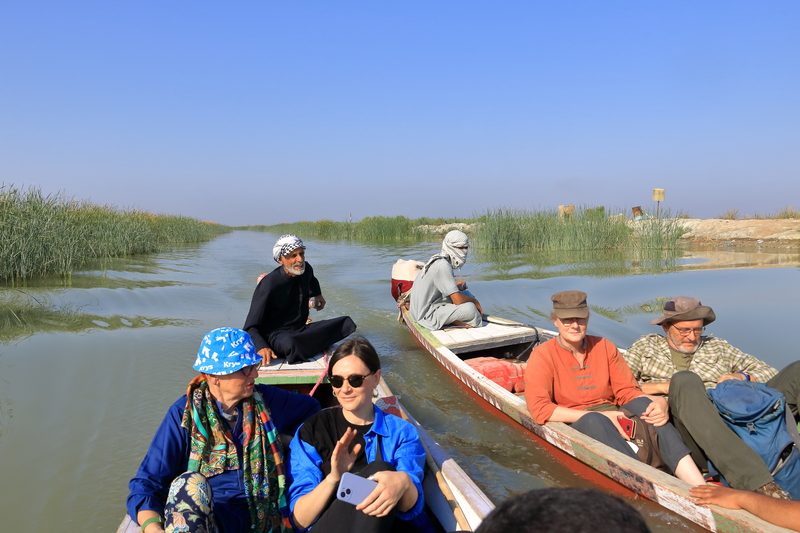
“I was nervous about Iraq. Ali put every concern to rest. The marshlands tour was the highlight of my entire year of travel.”
Sophie was midway through a year of travelling when she added Iraq to her itinerary. She was not sure what to expect, but the Mesopotamian Marshes completely won her over — gliding through the reed houses and meeting the Ma’dan families was something she said no other country on her trip came close to matching.
Dress Code by Region
What you wear matters in Iraq, but the rules are not as strict as many women expect — and they change depending on where you are. For a full breakdown of what to pack, see my Iraq packing list.
Baghdad — Modest but Flexible
In Baghdad, the standard is modest but not restrictive. Loose trousers or long skirts that cover the knees, and tops that cover the shoulders — short sleeves are absolutely fine. You do not need to wear a headscarf on the street or in most public spaces. Many Iraqi women in Baghdad dress in a range of styles, from traditional abayas to modern clothing, and foreign women are given considerable leeway. The key is simply to avoid anything that would stand out as overtly revealing — very short skirts, low-cut tops, or sleeveless shirts. Think relaxed and respectful rather than restrictive.
Karbala & Najaf — Abaya Required
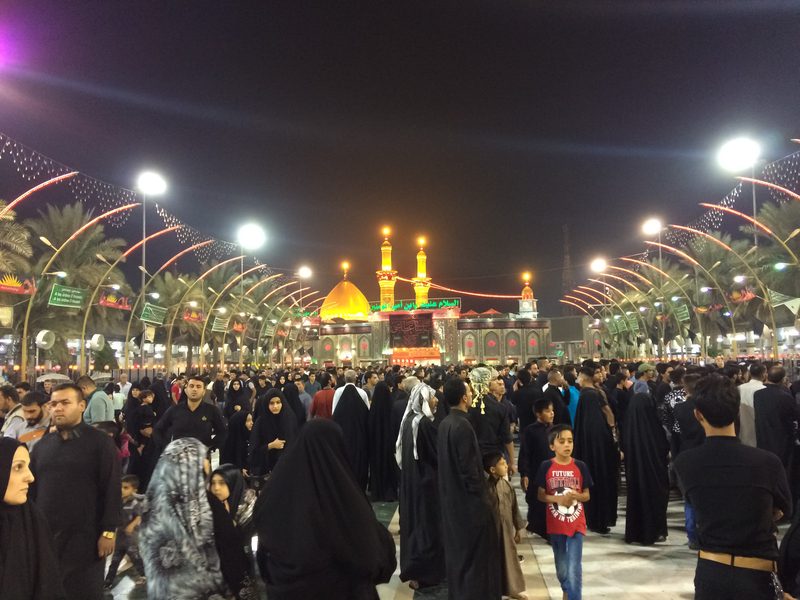
Karbala and Najaf are Iraq’s holiest cities for Shia Muslims, and the dress code here is non-negotiable. Women must wear an abaya — a loose, full-length black outer garment — when visiting the shrines of Imam Hussein and Imam Ali. A headscarf is also required. This applies to all women, including tourists, regardless of religion. For full details on visiting these cities, see my guide to Karbala and Najaf.
If you do not own an abaya, do not worry about buying one before your trip. I source abayas locally for my female guests before we arrive — they are inexpensive and easy to find. You slip it on over your normal clothes when entering the shrine areas and take it off when you leave. It is straightforward, and no one expects you to wear one outside the shrine complexes.
Kurdistan — Most Relaxed
The Kurdistan Region is the most relaxed part of Iraq for women’s clothing. In Erbil and Sulaymaniyah, you will see local women in everything from headscarves to jeans and T-shirts. Western women can dress much as they would in a moderately conservative European city — trousers, skirts below the knee, T-shirts with sleeves. Shorts are less common on women but will not cause issues in the main cities. If you are visiting a mosque or religious site in Kurdistan, carry a headscarf in your bag, but you will rarely need it otherwise.
Safety Considerations
Unwanted attention. With a guide, unwanted attention is rare. Iraqis are generally respectful toward foreign women, and the presence of a male guide makes interactions straightforward. Without a guide in federal Iraq, you may receive stares or unsolicited conversation in crowded areas like bazaars, but this is almost always curiosity rather than hostility. Iraq does not have the persistent street harassment culture that some other Middle Eastern and North African countries are known for. Most interactions are warm and genuinely welcoming.
Photography. Be thoughtful about photographing people, particularly women and families. Always ask before pointing a camera at someone — this is good practice anywhere in Iraq, but especially important as a female traveller showing respect to local women. Most people are happy to be photographed once you ask, and some will actively invite you to take pictures with them.
Evenings. In federal Iraq, stay with your guide after dark. This is not because the streets become dangerous — many Iraqi cities are lively and safe in the evening — but because navigating unfamiliar areas alone at night adds unnecessary risk, especially if you do not speak Arabic. In Kurdistan, the situation is more relaxed. Evening walks in central Erbil and Sulaymaniyah are normal, and many restaurants and cafés are open late with a mixed crowd.
Checkpoints. You will pass through military and police checkpoints throughout federal Iraq. These are routine and rarely anything to worry about, but they are smoother with a guide who speaks Arabic and knows the protocols. As a woman, you will generally receive polite treatment at checkpoints — soldiers and police tend to be respectful, particularly when you are clearly a tourist with a guide.
Cultural Sensitivity
Iraqi culture places enormous value on hospitality, and this extends strongly to female guests. Many of my solo female travellers tell me they were struck by how warmly they were received — invited for tea by strangers, offered food at markets, and treated with genuine kindness. Women travelling in Iraq often experience a level of hospitality that can feel overwhelming in the best possible way.
A few things to keep in mind. Some mosques and shrines have separate women’s sections or entrances. Your guide will always let you know in advance, and it is simply a matter of following the local flow — nothing awkward or complicated. In very traditional areas, local men may avoid making direct eye contact or shaking hands with a foreign woman. This is a sign of respect, not coldness. If someone extends a hand, shake it; if they do not, a nod or a hand over the heart is the appropriate greeting.
Conversations with local men are generally straightforward and respectful, especially when a guide is present. Iraqis are curious about foreign visitors and will often ask where you are from, whether you like Iraq, and whether you are married. These are friendly, standard questions — not intrusive. Engage as much or as little as you are comfortable with.
How I Work With Female Guests
I have guided enough solo women to understand that comfort levels vary. Some of my female guests are seasoned solo travellers who have been to dozens of countries and need very little adjustment. Others are visiting the Middle East for the first time and want a bit more reassurance. I adapt to both.
Here is what I do as standard for all my female guests:
I provide abayas and headscarves before we reach Karbala and Najaf. You do not need to source these yourself.
I explain dress code expectations clearly before each stop. You will always know in advance what is expected and can prepare accordingly — no surprises.
I adjust the itinerary if needed. If there is a particular area or activity that makes you uncomfortable, we skip it or find an alternative. Your trip, your comfort level.
I handle all checkpoint interactions. You will never need to negotiate with soldiers or police on your own.
I respect your space. I am your guide, not your chaperone. I give you room to explore, photograph, and experience things at your own pace — while being close enough to step in if you need anything.
The women I guide consistently tell me that the reality of Iraq was nothing like they expected. The warmth, the history, the food, the generosity of ordinary Iraqis — these are the things that stay with them. Not the concerns they had before they arrived.
Planning a solo trip to Iraq? I have guided many solo women safely and comfortably across the country.
Tell me your travel dates and interests, and I will design an itinerary around you — including everything you need to know about dress code, cultural expectations, and where you will feel most at home.
Frequently Asked Questions
Can women travel alone in Iraq?
Yes. In the Kurdistan Region, solo female travel is straightforward and many women travel independently. In federal Iraq, a guide is strongly recommended for all travellers, including solo women, to navigate checkpoints, language barriers, and local customs smoothly.
What should women wear in Iraq?
Loose trousers or long skirts and tops with sleeves are the standard in federal Iraq. A headscarf is needed for mosques and shrines. In Karbala and Najaf, an abaya is required at the holy shrines. Kurdistan is more relaxed — casual modest clothing is fine.
Is Baghdad safe for women?
With a guide, yes. The areas tourists visit in Baghdad are safe, and Iraqis are generally respectful and hospitable toward foreign women. Travelling with a local guide removes the practical challenges of navigating the city alone.
Do I need to cover my hair everywhere in Iraq?
No. A headscarf is only required inside mosques and at certain shrines. In Baghdad’s streets, markets, and restaurants, a headscarf is not expected. In Kurdistan, it is rarely needed outside religious sites.
Will I face harassment as a woman in Iraq?
Persistent street harassment is uncommon in Iraq, especially with a guide. You may receive curious looks or friendly questions in busy areas, but interactions are overwhelmingly respectful. Iraqi culture places a strong emphasis on hospitality toward guests.